
Longevity & Cellular
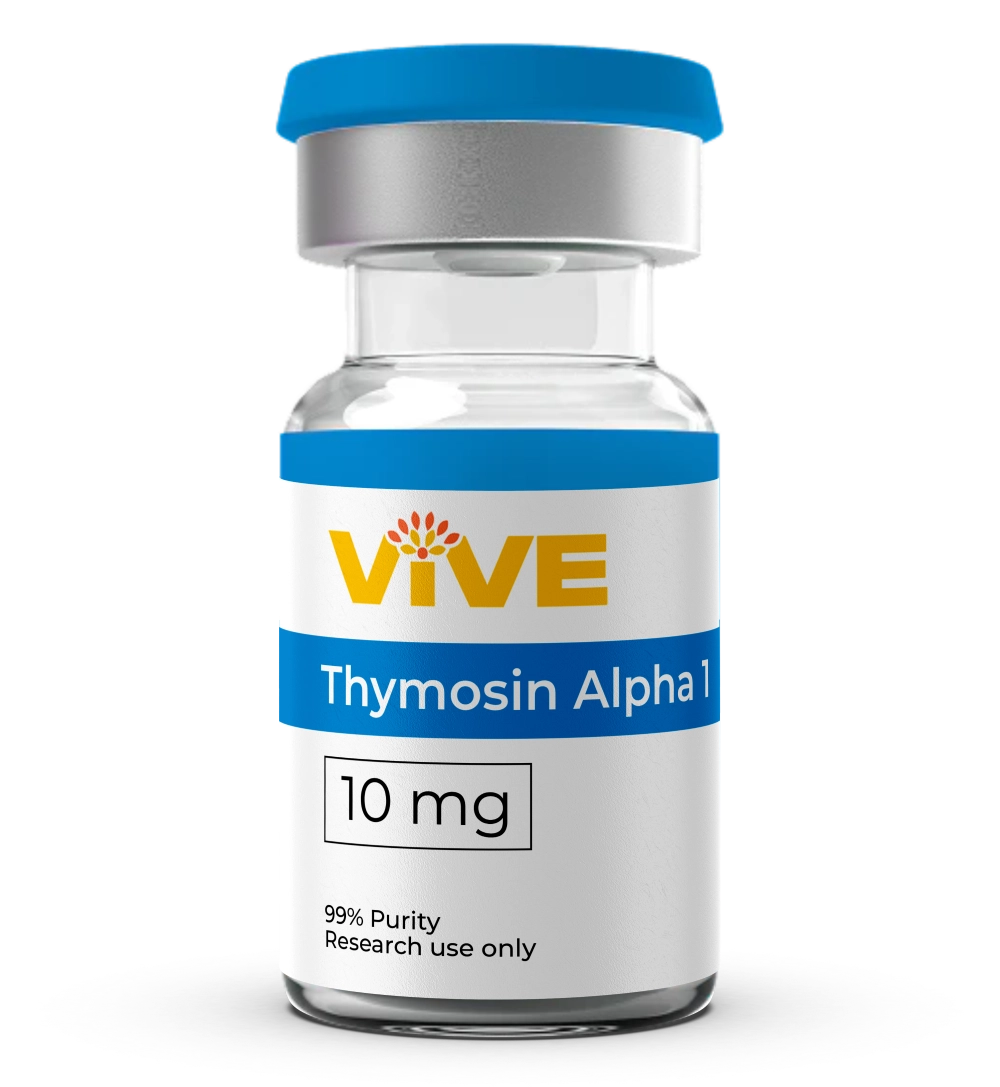
Thymosin Alpha 1
Research Use OnlyThese products are sold strictly for laboratory and research use only and are not approved for human consumption, diagnosis, or therapeutic treatment. Not for human or veterinary use. These statements have not been evaluated by the Food and Drug Administration, and nothing on this page constitutes medical advice or a health claim.
- Size
- 10mg
Specifications
Thymosin Alpha 1 Technical Profile
OVERVIEW
What Is Thymosin Alpha 1 Peptide?
Thymosin Alpha 1 is a naturally occurring 28-amino acid peptide originally isolated from calf thymus tissue by Allan Goldstein and colleagues in 1977. It is derived from a larger precursor protein called prothymosin alpha and plays a central role in immune system development and regulation. The synthetic version, known as Thymalfasin, has been approved for clinical use in over 35 countries and is one of the most extensively studied immunomodulatory peptides in biomedical research.
As a research peptide, Thymosin Alpha 1 belongs to the class of thymic peptides that regulate T-cell maturation and adaptive immune function. Unlike many immunostimulatory compounds that broadly activate immune pathways, Thymosin Alpha 1 research has demonstrated a more nuanced effect, enhancing immune surveillance while simultaneously modulating inflammatory responses. This dual capability has made it a valuable tool in immunology research spanning infectious disease, oncology, and vaccine development.
- 01
Thymic Immunomodulator
Naturally occurring 28-amino-acid peptide derived from thymus tissue prothymosin alpha
- 02
≥99% HPLC Purity
Every batch verified via high-performance liquid chromatography
- 03
USA Made & Verified
Third-party analytical testing performed in USA laboratories
RESEARCH
Thymosin Alpha 1 Mechanism of Action in Research
The Thymosin Alpha 1 mechanism of action has been the subject of extensive immunological research for nearly five decades. Studies have identified multiple pathways through which this peptide modulates immune function, distinguishing it from single-target immunostimulatory agents.
Toll-Like Receptor Activation
Research indicates that Thymosin Alpha 1 acts as an agonist for multiple Toll-like receptors (TLRs), including TLR2, TLR3, TLR4, TLR7, and TLR9. By binding to these pattern recognition receptors, Thymosin Alpha 1 activates downstream signaling cascades including MyD88, IRF3, NF-kB, and MAPK pathways. These pathways lead to the proliferation and activation of immune cells and the production of immune-related cytokines. Published research by Romani et al. (2007) demonstrated that TLR activation by Thymosin Alpha 1 plays a critical role in bridging innate and adaptive immune responses.
T-Cell Maturation and Differentiation
Thymosin Alpha 1 enhances the maturation and differentiation of T-cell precursors into functional CD4+ helper and CD8+ cytotoxic T cells. Research suggests this occurs through upregulation of T-cell surface markers and interleukin-2 (IL-2) receptor expression. Studies have shown that Thymosin Alpha 1 promotes the conversion of immature thymocytes into mature, functional T cells capable of mounting targeted immune responses (Goldstein et al., 2009).
Cytokine Network Modulation
Published studies demonstrate that Thymosin Alpha 1 stimulates the production of multiple cytokines including IL-2, IL-6, IL-10, IL-12, interferon-alpha (IFN-alpha), and interferon-gamma (IFN-gamma). Notably, research also shows a suppressive effect on pro-inflammatory cytokines including IL-1-beta and tumor necrosis factor-alpha (TNF-alpha), suggesting a balancing rather than purely stimulatory role in immune regulation.
COMPARISON
Thymosin Alpha 1 vs TB-500: Research Peptide Comparison
Thymosin Alpha 1
Both Thymosin Alpha 1 and TB-500 (Thymosin Beta-4 fragment) belong to the thymosin peptide family but serve fundamentally different roles in biological research. Thymosin Alpha 1 is primarily studied for immune modulation, while TB-500 is investigated for tissue biology and cell migration. Understanding these differences helps researchers select the appropriate compound for their specific laboratory protocols.
TB-500
Both peptides belong to the thymosin family but represent distinct branches of thymosin research. Thymosin Alpha 1 is the primary compound for immunology studies, while TB-500 is preferred for tissue repair and cell migration research. VivePeptides offers both at research-grade purity from our USA-based facility.
| Feature | Thymosin Alpha 1 | TB-500 |
|---|---|---|
| Origin | Derived from thymus prothymosin alpha | Fragment of Thymosin Beta-4 |
| Amino Acids | 28 | 43 |
| CAS Number | 62304-98-7 | 77591-33-4 |
| Molecular Weight | 3108.3 Da | 4963.5 Da |
| Primary Research Focus | Immune modulation and T-cell function | Cell migration and tissue biology |
| N-Terminal Modification | Acetylated (Ac-Ser) | None |
| Proposed Mechanism | TLR activation, T-cell maturation | Actin sequestration, cell motility |
| Research Volume | 300+ published studies | 50+ published studies |
RESEARCH STUDIES
Thymosin Alpha 1 Research Applications & Published Studies
Thymosin Alpha 1 research spans nearly five decades of published literature across immunology, infectious disease, and oncology. The following areas represent the most actively investigated applications. All references are to research contexts only.
Viral Hepatitis Research
Thymosin Alpha 1 has been extensively studied in hepatitis B and hepatitis C research. Mutchnick et al. (1991) published early findings on Thymosin Alpha 1's effects in chronic hepatitis B models, and subsequent studies by Andreone et al. (1996) expanded this research to hepatitis C. Multiple clinical trials have examined Thymosin Alpha 1 as both a standalone agent and in combination with interferon therapy, contributing to its approval in over 35 countries for hepatitis-related applications.
Immune Function and Vaccine Enhancement Research
Research has investigated Thymosin Alpha 1's potential as a vaccine adjuvant. Carraro et al. (2012) published findings demonstrating enhanced antibody responses when Thymosin Alpha 1 was co-administered with influenza vaccination in immunocompromised subjects. These studies have expanded the scope of Thymosin Alpha 1 research into vaccine development and immunosenescence.
Oncology Research Models
Published research has examined Thymosin Alpha 1 in oncology contexts. Garaci et al. (2012) reviewed its immunomodulatory properties in cancer models, demonstrating enhanced natural killer cell activity and CD8+ T-cell function. Studies have explored Thymosin Alpha 1 as an adjunctive agent alongside chemotherapy and immunotherapy protocols in preclinical and clinical research settings.
QUALITY ASSURANCE
Quality & Testing Standards
VivePeptides maintains rigorous quality control for every batch of Thymosin Alpha 1 peptide. Our commitment to research-grade purity ensures that laboratories receive consistent, reliable compounds for their investigations.
HPLC & Mass Spectrometry
Every batch of Thymosin Alpha 1 undergoes high-performance liquid chromatography (HPLC) and mass spectrometry analysis to confirm identity, purity, and molecular weight.
Third-Party Verified
All VivePeptides Thymosin Alpha 1 is independently verified through third-party analytical laboratories based in the USA. Testing documentation is available for every lot.
≥99% Purity Standard
Our Thymosin Alpha 1 consistently meets or exceeds ≥99% purity as determined by HPLC analysis, ensuring research-grade quality for laboratory applications.
FAQ
Frequently Asked Questions About Thymosin Alpha 1
What is Thymosin Alpha 1 used for in research?
What purity is VivePeptides Thymosin Alpha 1?
How should Thymosin Alpha 1 be stored?
What is the difference between Thymosin Alpha 1 and Thymosin Beta 4?
Is VivePeptides Thymosin Alpha 1 third-party tested?
TB-500
Thymosin Beta-4 fragment for cell migration and tissue biology research
BPC-157
Gastric pentadecapeptide for multi-pathway protective research
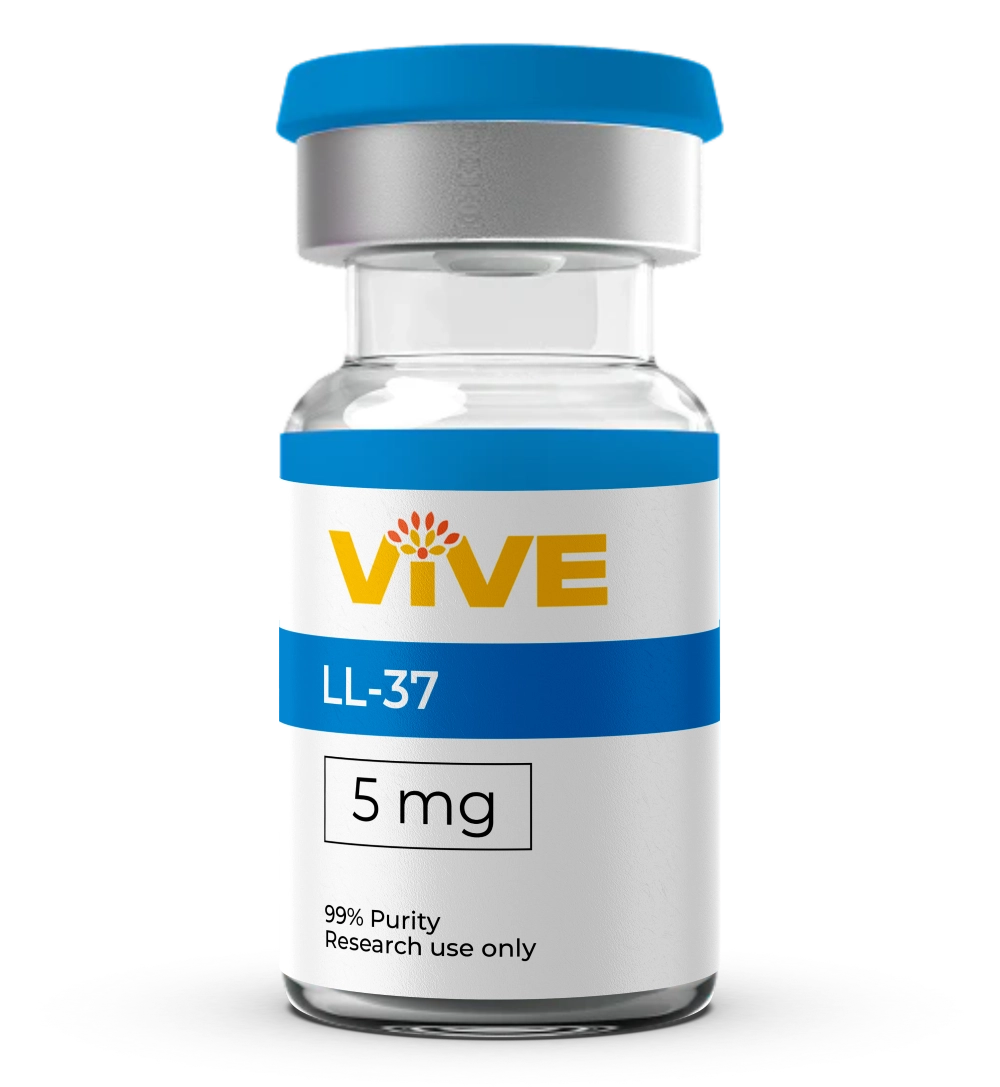
LL-37
GHK-Cu
Human cathelicidin antimicrobial peptide for innate immunity research
Copper peptide for skin biology and tissue remodeling studies
Explore More Research Peptides
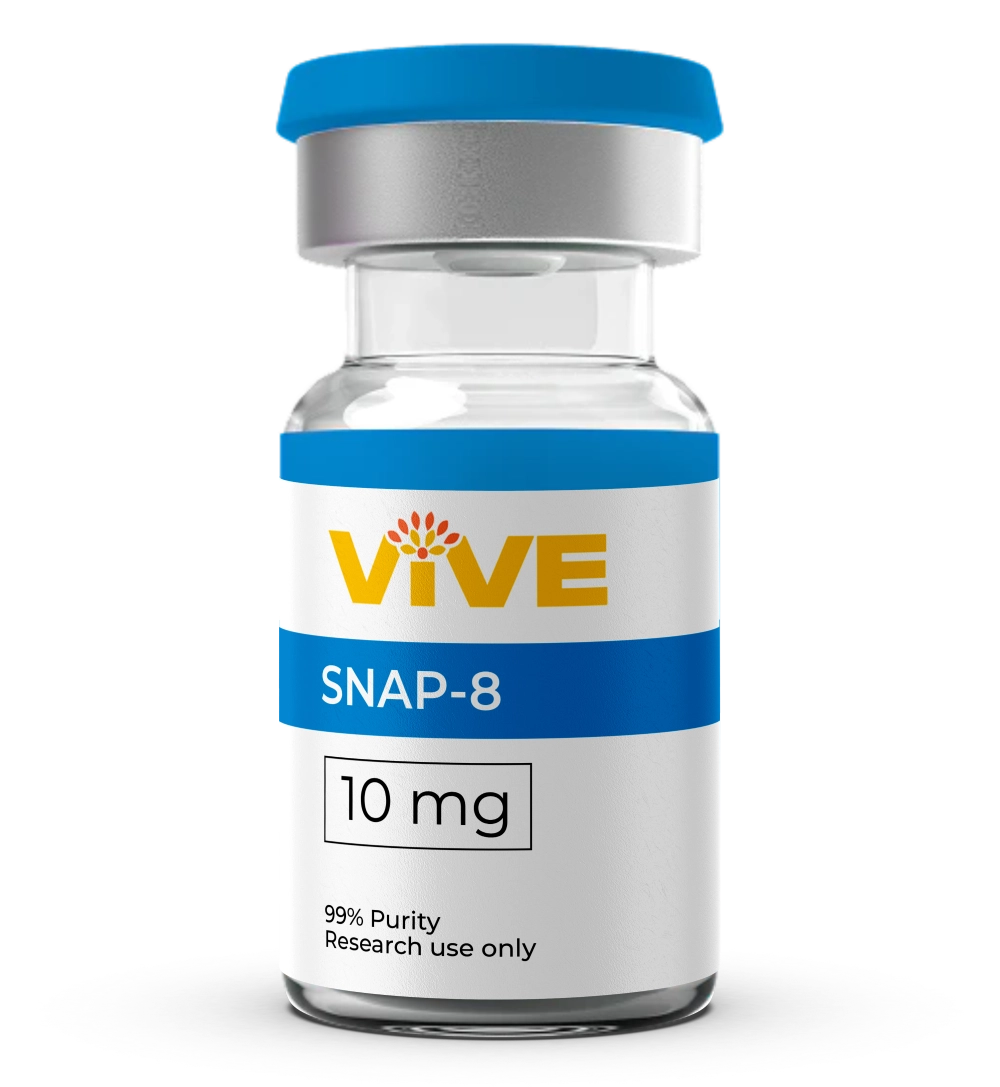
Selank · Semax · Tesamorelin · NAD+ · SNAP-8 · All Peptides →
Add To Research Cart
Thymosin Alpha 1
99%+ purity · USA lab tested · secure shipping
You May Also Research
Related Compounds
These products are sold strictly for laboratory and research use only and are not approved for human consumption, diagnosis, or therapeutic treatment. Not for human or veterinary use. These statements have not been evaluated by the Food and Drug Administration, and nothing on this page constitutes medical advice or a health claim.