
Research Collection
Anti-Aging Peptides
Research peptides studied across the biology of aging, from dermal collagen signaling to mitochondrial function and telomere-related pathways.
Anti-Aging Peptides are research compounds studied for their roles across dermal, mitochondrial, and epigenetic aging biology, spanning collagen-signaling peptides, mitochondria-targeted antioxidants, NAD+ precursor pathways, and pineal-associated regulatory peptides. This category is intended strictly for laboratory research use, supporting investigation into cellular senescence, oxidative stress, and tissue matrix remodeling mechanisms.
Reviewed by the VivePeptides Research DeskLast reviewed
Research Catalog
Compounds in this collection
Research Overview
What This Research Category Covers
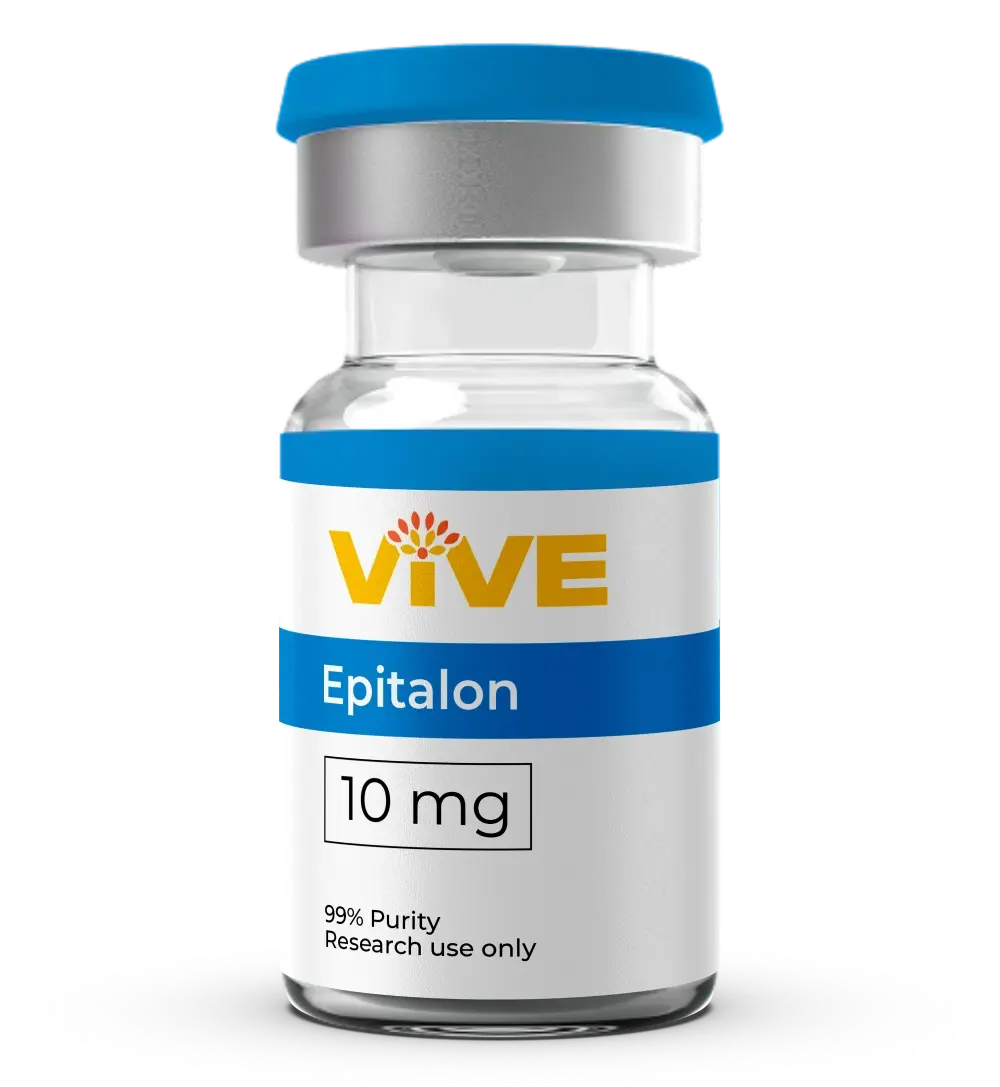
Anti-aging peptides research encompasses compounds investigated for their roles in cellular, mitochondrial, and dermal aging pathways rather than any single mechanism. This is an active area of preclinical investigation because aging biology involves multiple converging processes: mitochondrial dysfunction, collagen matrix degradation, epigenetic drift, and declining cellular energy metabolism. VivePeptides positions this collection to reflect that breadth, sourcing research-grade material across distinct mechanism classes rather than concentrating on one aging pathway. Epitalon is studied within epigenetic and telomerase-related aging research.
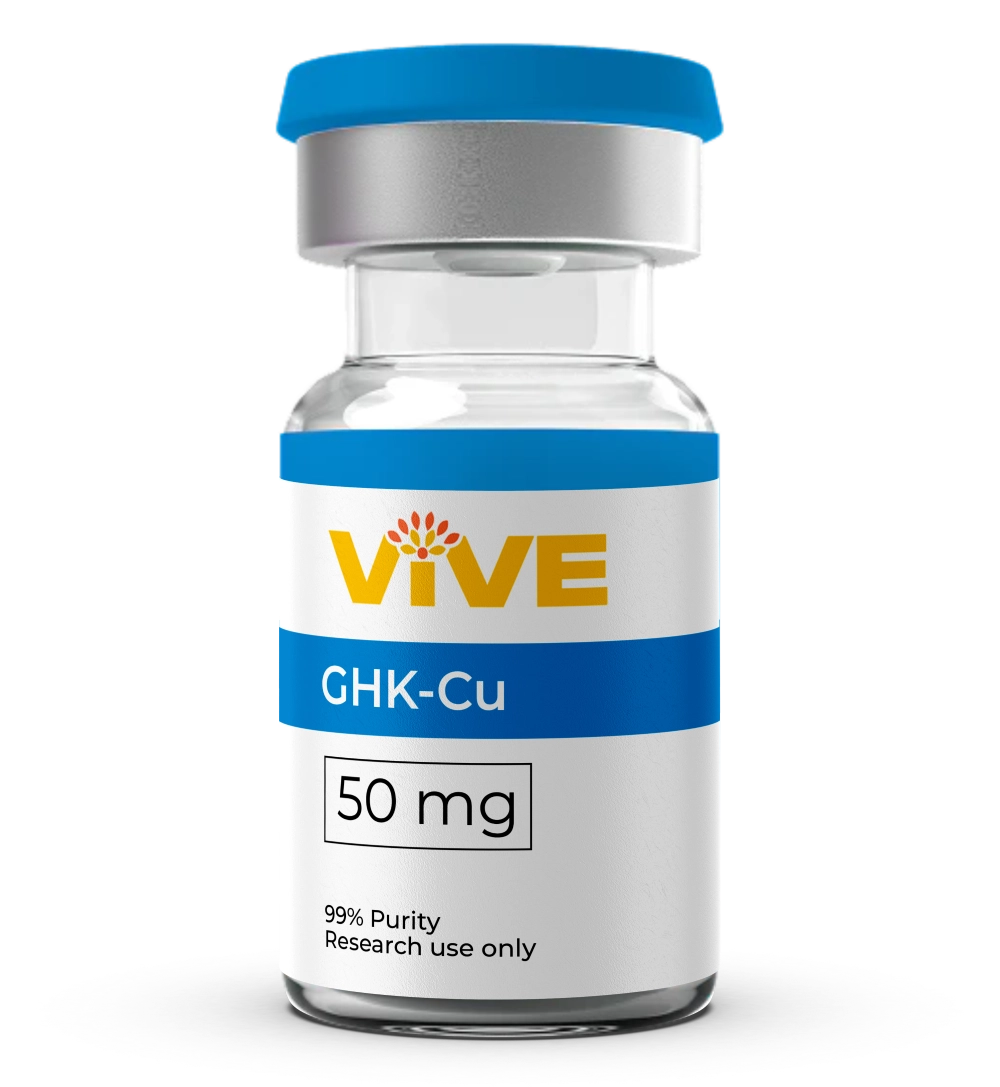
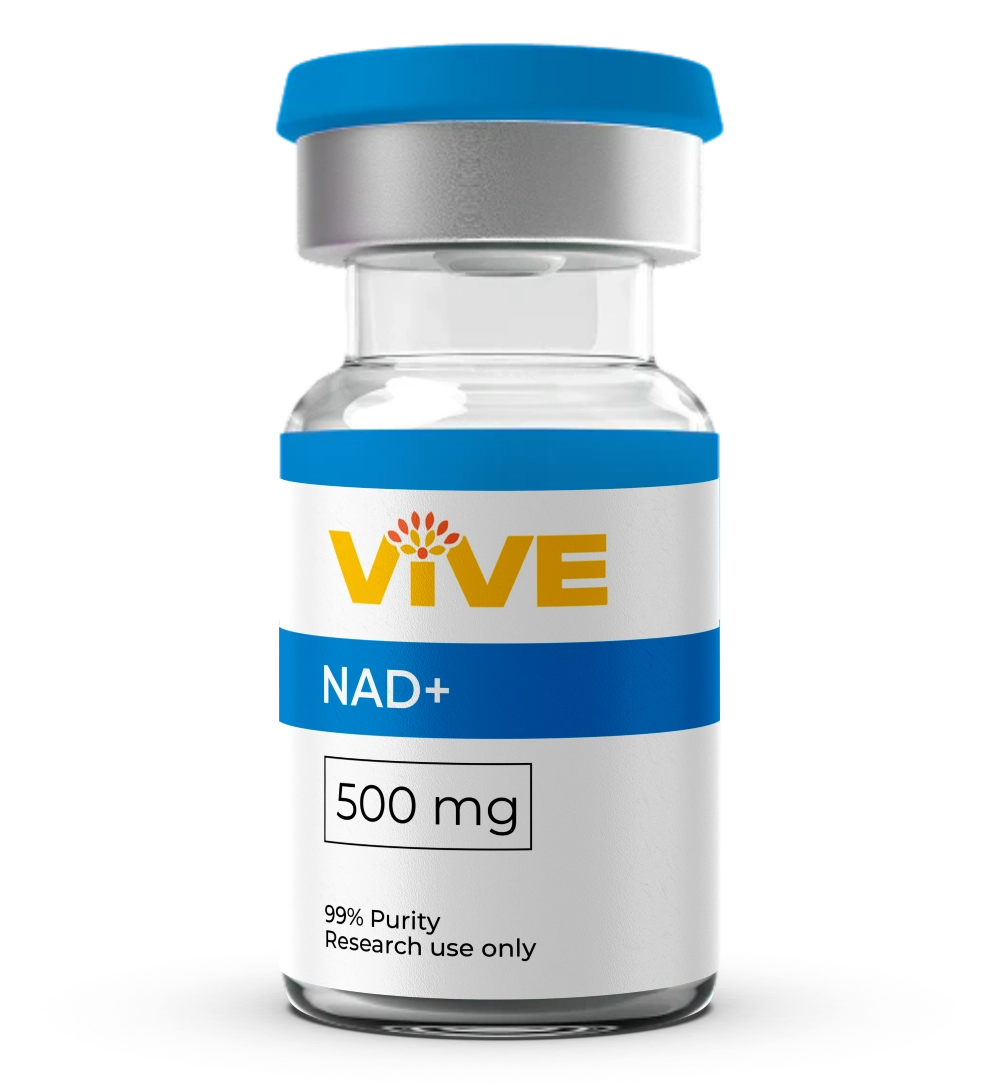
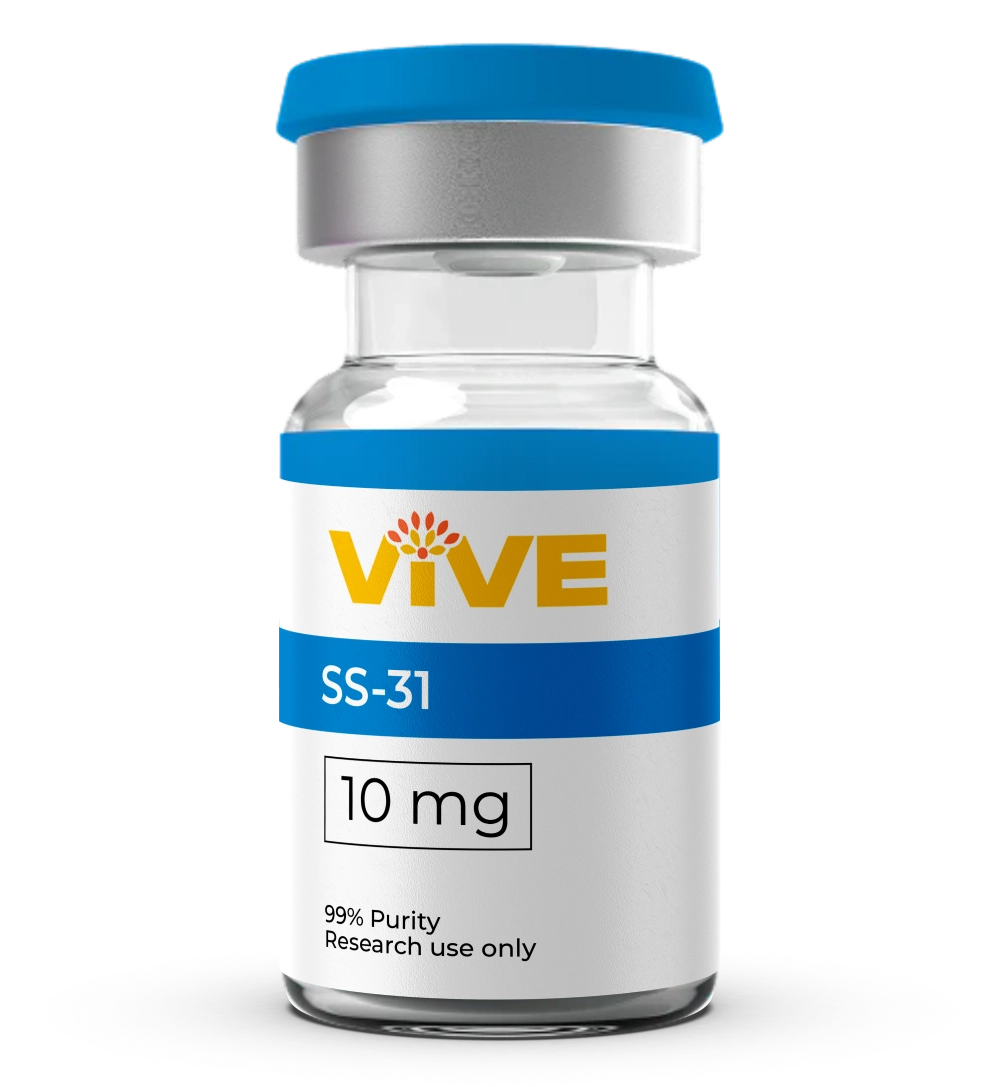
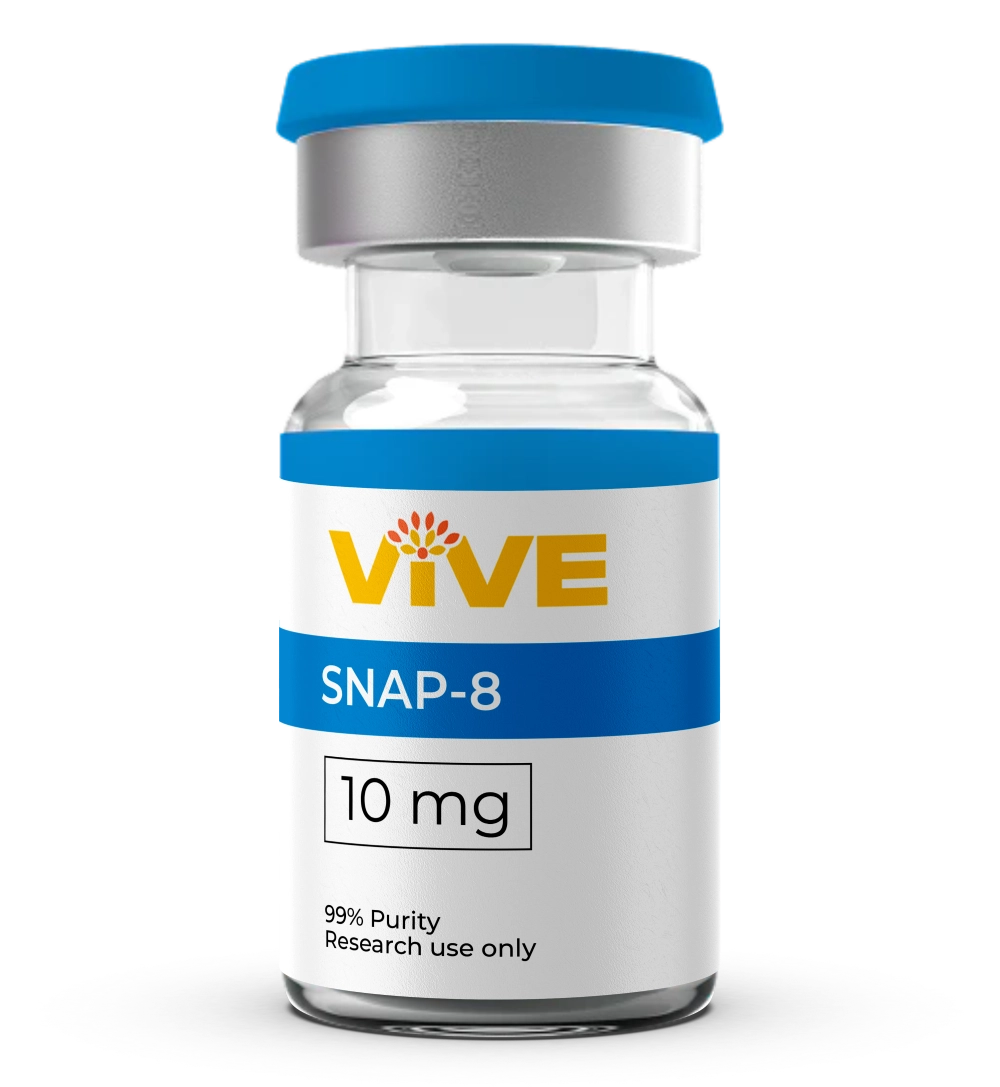
GHK-Cu is examined for copper-peptide collagen matrix signaling. NAD+ is investigated as a coenzyme precursor relevant to mitochondrial energy metabolism and sirtuin pathway research. SS-31 is studied as a mitochondria-targeted, cardiolipin-binding peptide. SNAP-8 is examined for SNARE-complex-mediated neuromuscular signaling relevant to dermal expression-line models.
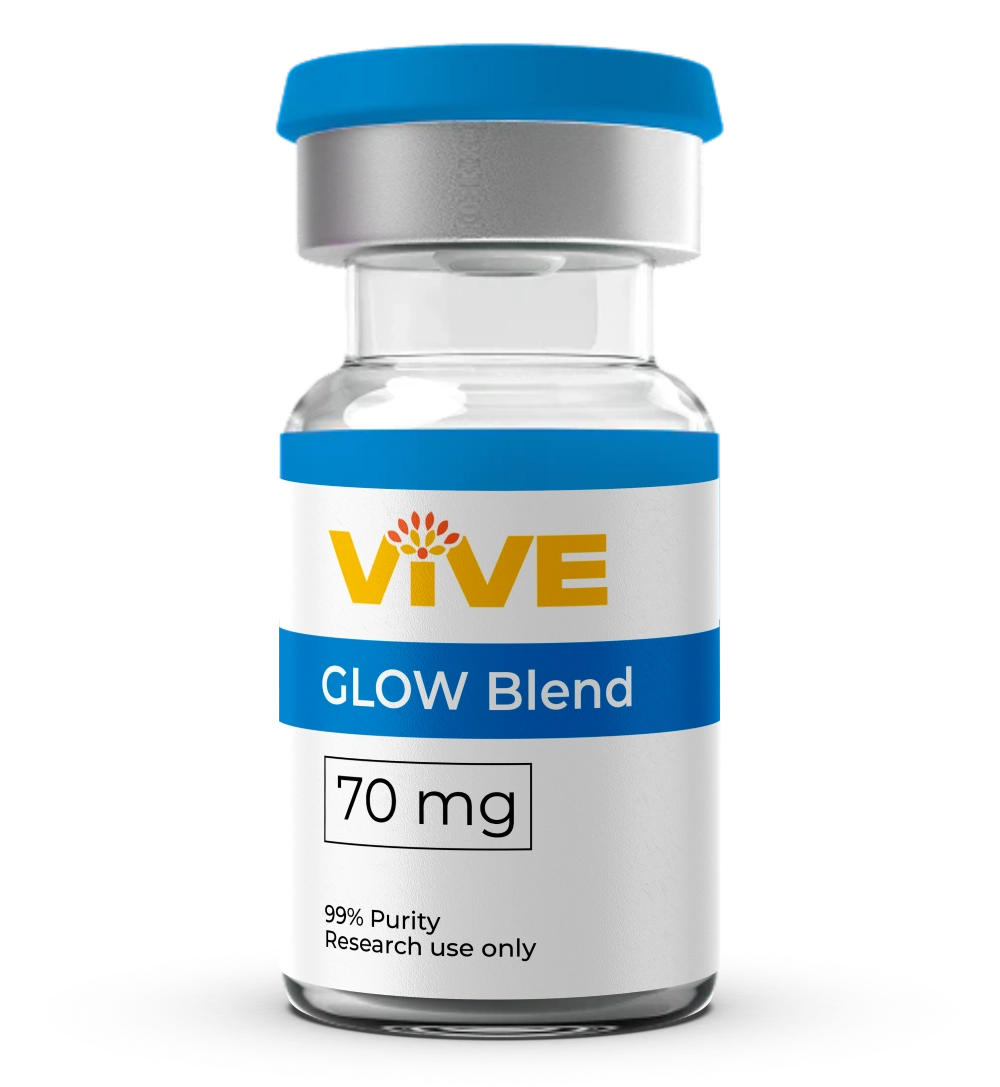
The Glow Blend combines BPC, TB, and GHK-Cu components for tissue-repair and matrix-remodeling research. VivePeptides supplies each compound with documented purity and analytical testing standards for laboratory use.
Six Distinct Mechanism Classes
Each compound in this collection acts through a different pathway, from copper-peptide collagen signaling to mitochondria-targeted antioxidant activity, giving researchers breadth across dermal, mitochondrial, and epigenetic aging models.
Documented Purity and Testing
Every compound is supplied with analytical documentation so researchers can verify identity and purity before use in a study protocol.
Storage and Reconstitution Stability
Peptide stability varies by compound class, so researchers should account for lyophilized storage conditions and solvent compatibility specific to each mechanism class.
Compound Comparison
How these compounds compare
| Compound | Mechanism Class | Research Focus | Distinguishing Feature |
|---|---|---|---|
| Epitalon | Pineal-associated regulatory peptide | Epigenetic and telomerase-related aging | Synthetic tetrapeptide, epigenetic regulation focus |
| GHK-Cu | Copper-binding tripeptide | Collagen synthesis and dermal matrix remodeling | Naturally occurring copper-peptide complex |
| NAD+ | Coenzyme precursor pathway | Mitochondrial energy metabolism, sirtuin activation | Central cellular energy cofactor role |
| SS-31 | Mitochondria-targeted antioxidant peptide | Cardiolipin stabilization, oxidative stress reduction | Targets inner mitochondrial membrane |
| SNAP-8 | SNARE-complex inhibiting octapeptide | Neuromuscular signaling, expression-line models | Synthetic octapeptide targeting signal transmission |
| Glow Blend - BPC/TB/GHK | Combination tissue-repair and matrix-remodeling blend | Multi-pathway tissue and matrix regeneration | Three-compound combination formulation |
Mechanism & Research Context
Mechanism Classes and Research Context
What distinguishes this collection is that no two featured compounds act through the same mechanism class, allowing researchers to model aging biology from several angles within one study design. Preclinical literature has examined copper-peptide complexes for extracellular matrix remodeling, mitochondria-targeted peptides for cardiolipin stabilization and reactive oxygen species reduction, and NAD+ precursor pathways for sirtuin-linked cellular energy research.
Epitalon has been examined in studies of pineal gland signaling and telomerase activity, while SNAP-8 has been studied for its effect on SNARE-complex-mediated signal transmission in neuromuscular models. Researchers selecting between these compounds typically consider which aging pathway their model targets: dermal matrix, mitochondrial function, or epigenetic regulation.
Study design should account for reconstitution stability, peptide solubility, and storage temperature, since mechanism class alone does not determine handling requirements. Combination protocols, such as the Glow Blend, require documentation of each individual component's sourcing and purity.
Research FAQ
Frequently asked questions
What are anti-aging peptides used for in research?
How do anti-aging peptides differ from peptides marketed for wrinkles specifically?
What is the difference between anti-aging peptides and longevity peptides?
Which mechanism class does GHK-Cu belong to?
Why does this collection include mitochondria-targeted peptides like SS-31?
What should researchers consider when selecting between compounds in this collection?
Related Research Collections
Continue exploring
These products are sold strictly for laboratory and research use only and are not approved for human consumption, diagnosis, or therapeutic treatment. Not for human or veterinary use. These statements have not been evaluated by the Food and Drug Administration, and nothing on this page constitutes medical advice or a health claim.