
Research Collection
Peptides for Tendon Repair
Peptides studied in models of tendon healing, fibroblast activity, and collagen-fiber organization in connective tissue.
Peptides for Tendon Repair are research compounds studied for their roles in tenocyte proliferation, collagen fiber organization, and tendon-to-bone junction repair in preclinical models. This category centers on two mechanism classes: growth-factor-stimulating peptides and cytoprotective peptides linked to angiogenesis, represented here by BPC-157 and TB-500. All products are strictly for laboratory research use only.
Reviewed by the VivePeptides Research DeskLast reviewed
Research Overview
Tendon Repair Peptides: A Research Category Overview
Peptides for Tendon Repair encompasses research compounds investigated for their effects on tendon-specific cellular processes, including tenocyte migration, fibroblast activity, and the organization of collagen fibers within tendon and ligament tissue. This is an active area of investigation because tendons exhibit comparatively low vascularity and slow cellular turnover, which makes them a persistent focus in models of connective tissue injury and repair.
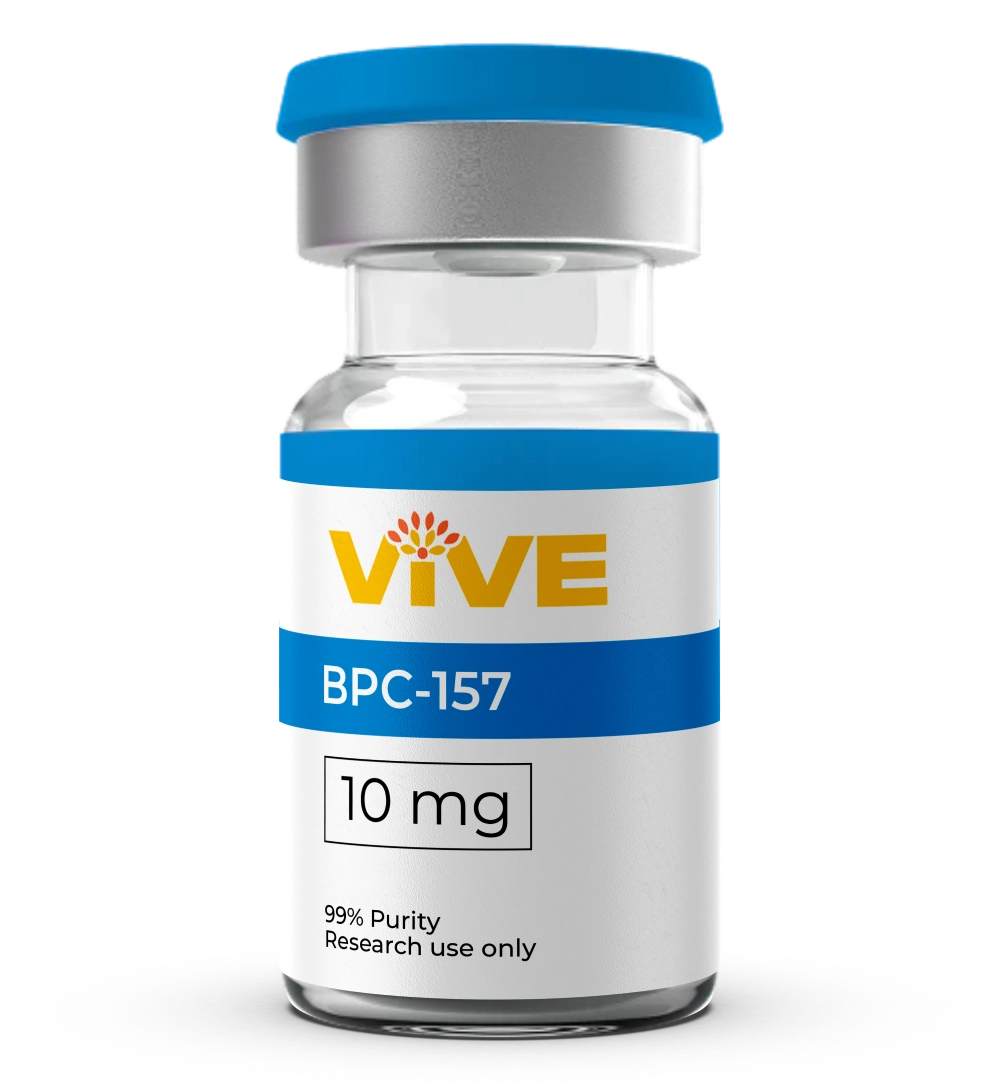
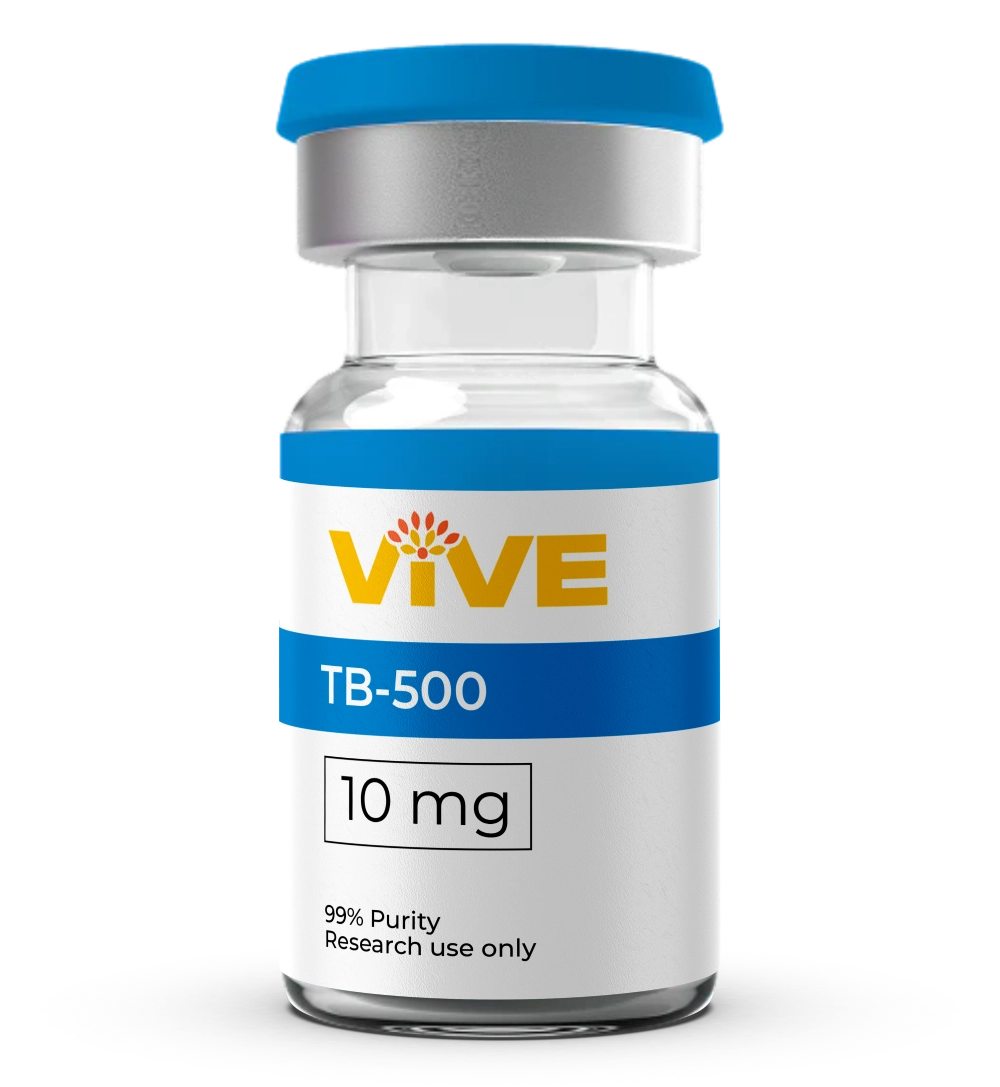
Two mechanism classes anchor this collection: BPC-157, a pentadecapeptide studied for its influence on angiogenesis and growth factor expression at injury sites, and TB-500, a synthetic fragment of thymosin beta-4 studied for its role in actin regulation and cell migration during tissue remodeling. VivePeptides sources both compounds with third-party purity verification and batch-specific certificates of analysis, positioning the catalog as a dependable resource for laboratories designing tendon and connective tissue research protocols.
Two Distinct Mechanism Classes
BPC-157 is studied for angiogenic and growth-factor-mediated pathways, while TB-500 is studied for actin-regulating and cell-migration pathways, giving researchers two distinct entry points into tendon repair models.
Purity and Documentation Standards
Every batch ships with third-party HPLC verification and a certificate of analysis, supporting reproducibility in tenocyte and fibroblast study designs.
Reconstitution and Storage Stability
Both peptides require careful reconstitution and cold storage to maintain stability across the duration of a tendon repair study, and handling protocols should be standardized to preserve batch-to-batch consistency.
Mechanism & Research Context
Mechanisms Studied in Tendon and Tenocyte Models
What distinguishes the mechanism classes in this collection is their point of action: BPC-157 is studied primarily at the level of vascular and growth factor signaling, while TB-500 is studied primarily at the level of cytoskeletal dynamics and cell motility. Preclinical literature has examined BPC-157 in models of Achilles tendon transection and collagen deposition following induced tendinopathy, while TB-500 research has focused on migration of tenocytes and endothelial cells into injury sites during early-stage remodeling.
Researchers selecting between the two compounds often consider whether the study design emphasizes angiogenic signaling or cell migration and actin polymerization as the primary endpoint. Some study designs pair both compounds to examine potential additive effects on collagen fiber alignment and tendon-to-bone junction integrity.
Practical considerations include peptide stability in solution, reconstitution protocol, and storage temperature, all of which affect reproducibility across research batches.
Research FAQ
Frequently asked questions
What are peptides for tendon repair studied for in research?
What is the difference between BPC-157 and TB-500 in tendon research?
Why is tendon tissue a distinct focus in peptide research compared to other connective tissue?
What preclinical models are used to study tendon repair peptides?
What purity and documentation standards apply to VivePeptides tendon repair peptides?
How should researchers choose between BPC-157 and TB-500 for a tendon study?
Related Research Collections
Continue exploring
These products are sold strictly for laboratory and research use only and are not approved for human consumption, diagnosis, or therapeutic treatment. Not for human or veterinary use. These statements have not been evaluated by the Food and Drug Administration, and nothing on this page constitutes medical advice or a health claim.