
Research Collection
Bioregulator Peptides
Short regulatory research peptides studied for organ-specific signaling, with Epitalon as the most researched of the class.
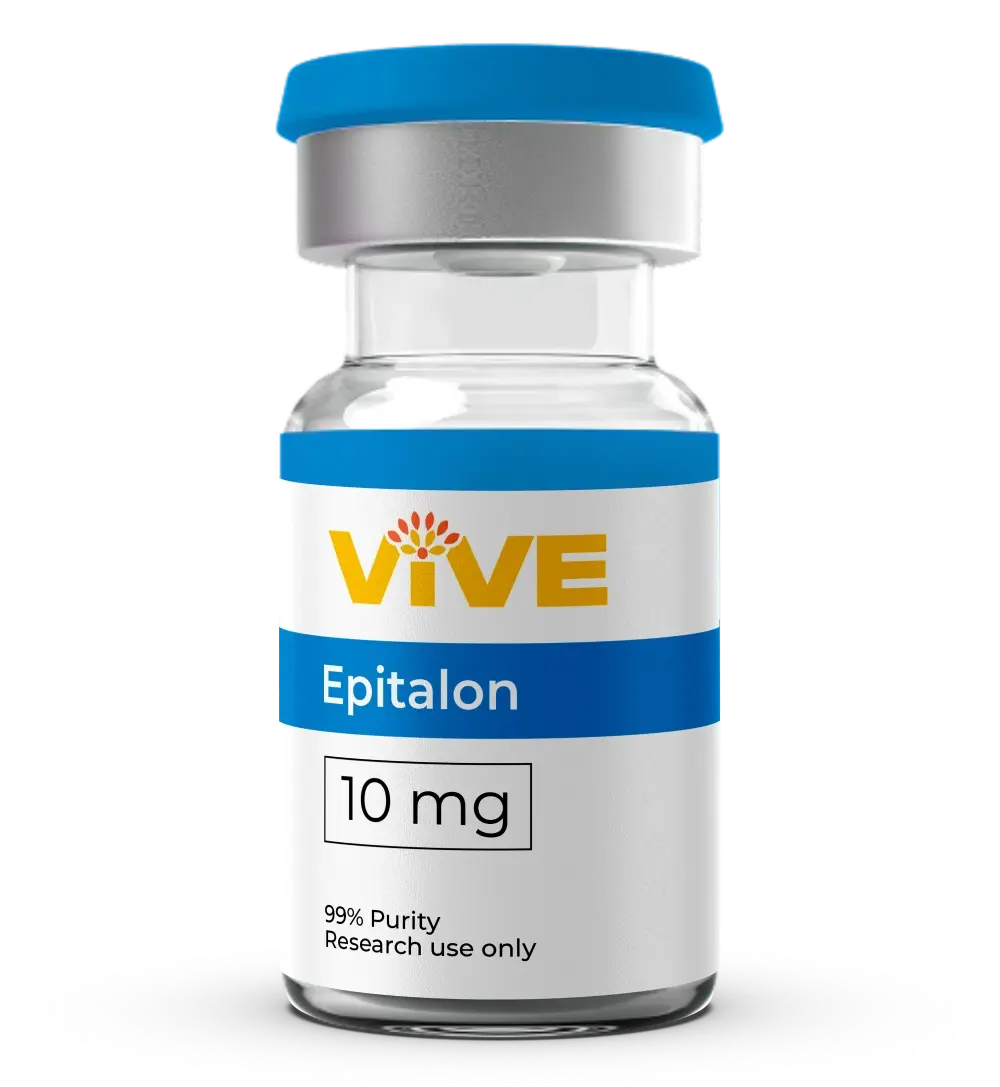
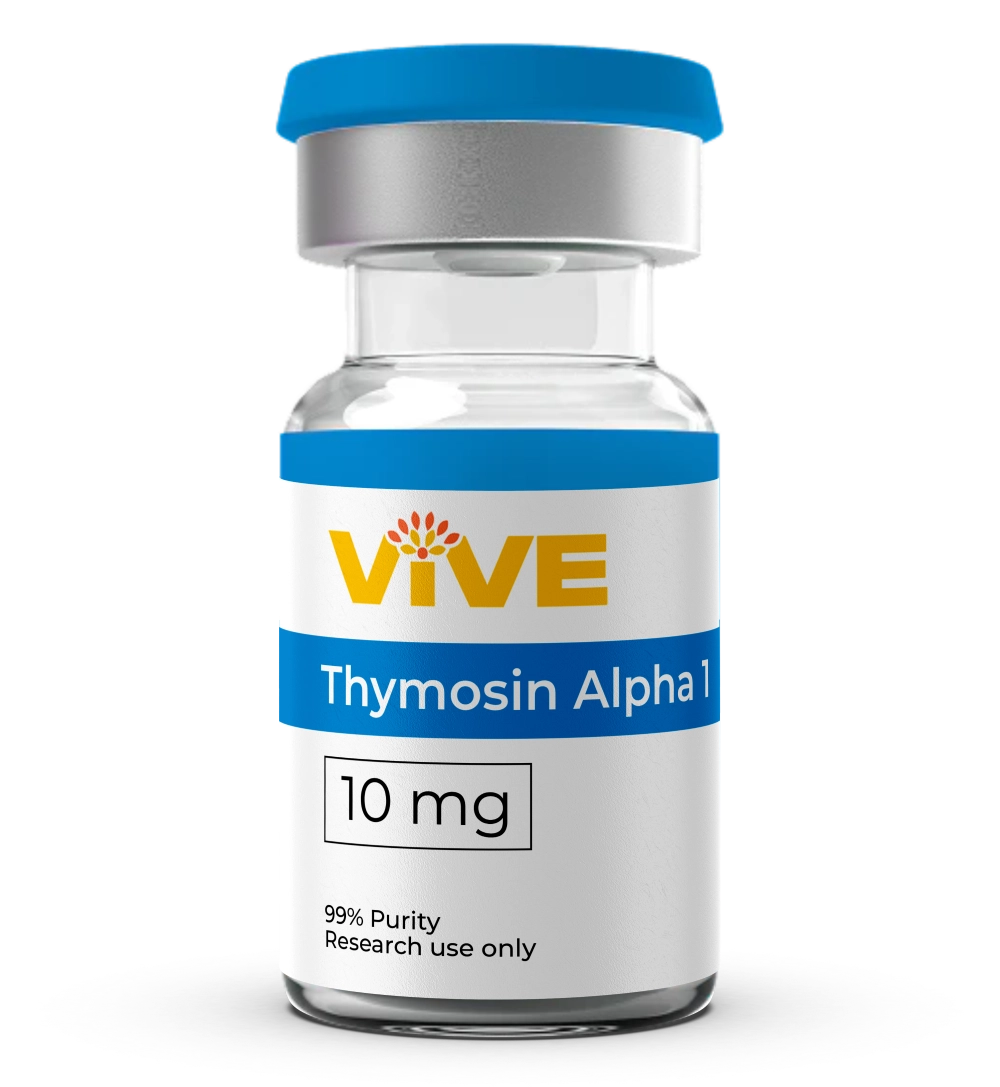
Bioregulator Peptides are research compounds studied for their proposed roles in tissue-specific regulatory signaling, spanning the short-chain peptide lineage introduced by Khavinson-era gerontology research and a separate immune-regulatory peptide class. This category features Epitalon, examined in pineal-axis models, and Thymosin Alpha 1, examined in immune-modulation research, supplied strictly for laboratory research use.
Reviewed by the VivePeptides Research DeskLast reviewed
Research Overview
What Are Bioregulator Peptides
Bioregulator peptides comprise a research category built around short regulatory sequences and thymic signaling peptides studied for their influence on tissue-specific biological processes. The category traces its research lineage to Khavinson-era work in experimental gerontology, which proposed that short peptide fragments interact with chromatin and gene expression in an organ-specific manner.
This has made peptide bioregulators an active area of investigation in cellular aging, neuroendocrine signaling, and immune regulation research. Two mechanism classes are represented here: Epitalon, a Khavinson-lineage tetrapeptide studied for its relationship to pineal gland function and circadian signaling, and Thymosin Alpha 1, a thymic-derived peptide studied for its role in immune system modulation.
VivePeptides positions this collection for researchers who require third-party purity documentation and consistent synthesis quality when sourcing peptide bioregulators for in vitro and in vivo study protocols.
Two Distinct Mechanism Classes
This collection separates ultra-short Khavinson-lineage regulatory peptides from thymic-derived immunomodulatory peptides, so researchers can select compounds aligned to the biological system under study. Epitalon represents the former class, and Thymosin Alpha 1 represents the latter.
Purity and Documentation Standards
Each bioregulator peptide is manufactured with third-party testing and batch-specific certificates of analysis available on request, supporting reproducibility in research protocols. Documentation includes verification of peptide identity and purity by HPLC.
Storage and Handling for Study Design
Bioregulator peptides are typically supplied as lyophilized powder requiring refrigerated or frozen storage prior to reconstitution, with stability considerations that researchers should account for when designing dose-response or longitudinal protocols.
Mechanism & Research Context
Mechanism Classes and Research Applications
What distinguishes the two mechanism classes in this collection is chain length and proposed site of action. Khavinson peptides, including Epitalon, are ultra-short sequences (di- to tetrapeptides) proposed to modulate gene transcription within specific tissues, with preclinical literature examining Epitalon's relationship to pineal melatonin regulation and markers of cellular senescence in vitro.
Thymosin Alpha 1, by contrast, is a 28-residue peptide derived from thymic tissue fractions, and research has examined its interaction with immune cell signaling pathways rather than direct chromatin activity. Researchers selecting between these compounds typically start from the biological system under study: neuroendocrine and pineal-axis models point toward Epitalon, while immune-response models point toward Thymosin Alpha 1.
Study design considerations include reconstitution stability, storage temperature, and documentation of peptide purity, since bioregulator peptides are frequently used in comparative or dose-response protocols where batch consistency affects reproducibility.
Research FAQ
Frequently asked questions
What are bioregulator peptides?
What is the difference between Epitalon and Thymosin Alpha 1?
What does "Khavinson peptides" refer to?
What has research examined regarding Epitalon and the pineal axis?
What role does Thymosin Alpha 1 play in immune-modulation research?
How should bioregulator peptides be stored and handled for research use?
Related Research Collections
Continue exploring
These products are sold strictly for laboratory and research use only and are not approved for human consumption, diagnosis, or therapeutic treatment. Not for human or veterinary use. These statements have not been evaluated by the Food and Drug Administration, and nothing on this page constitutes medical advice or a health claim.