
Research Collection
Lyophilized Peptide Vials
Freeze-dried research peptides supplied in sealed vials, covering stability, storage, and reconstitution considerations for laboratory use.
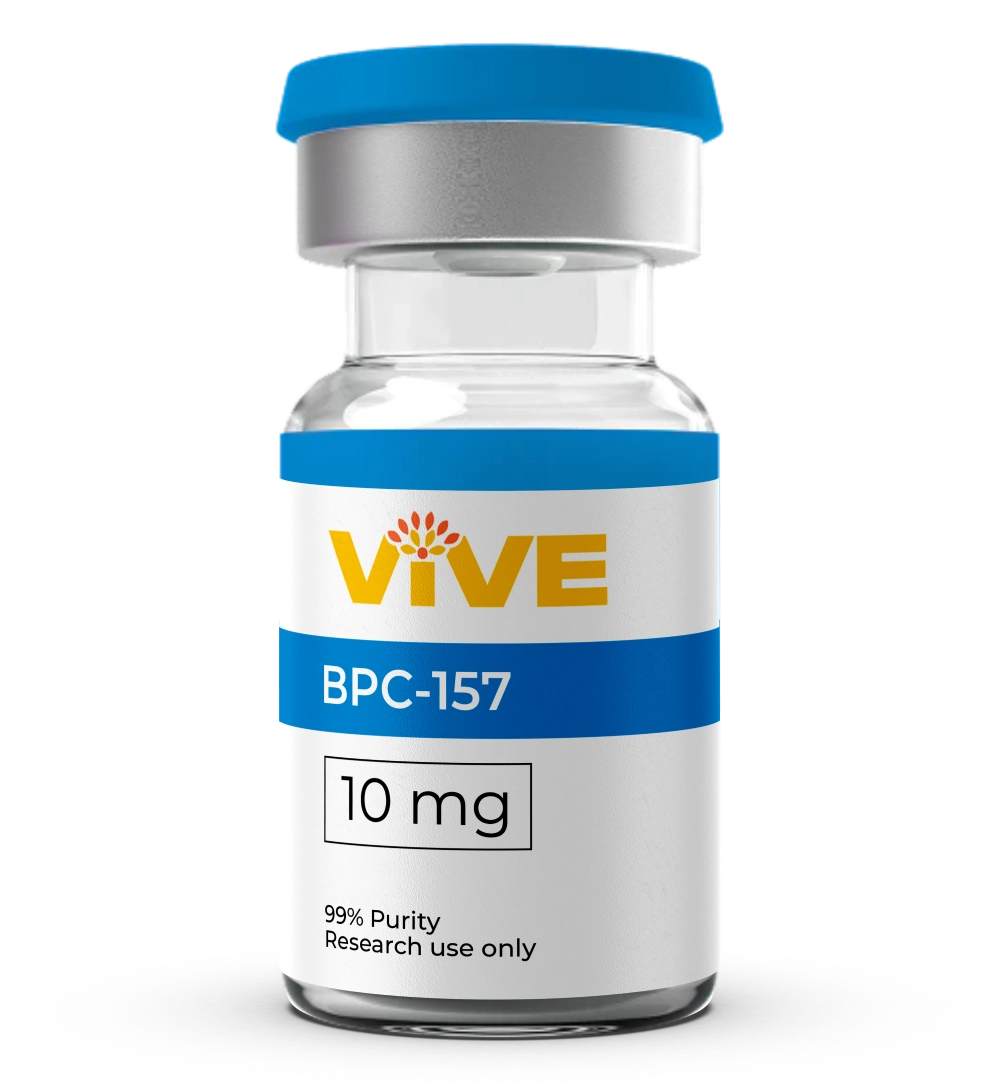
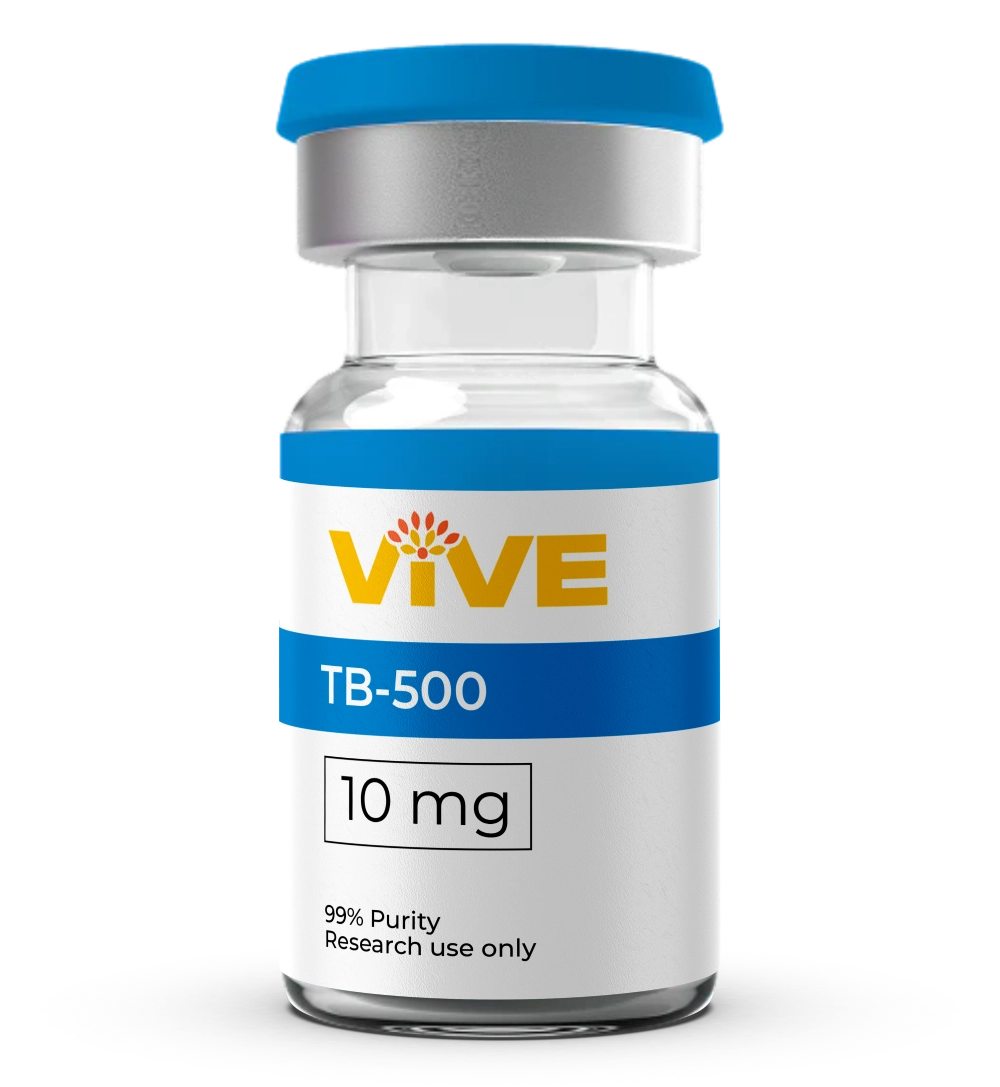
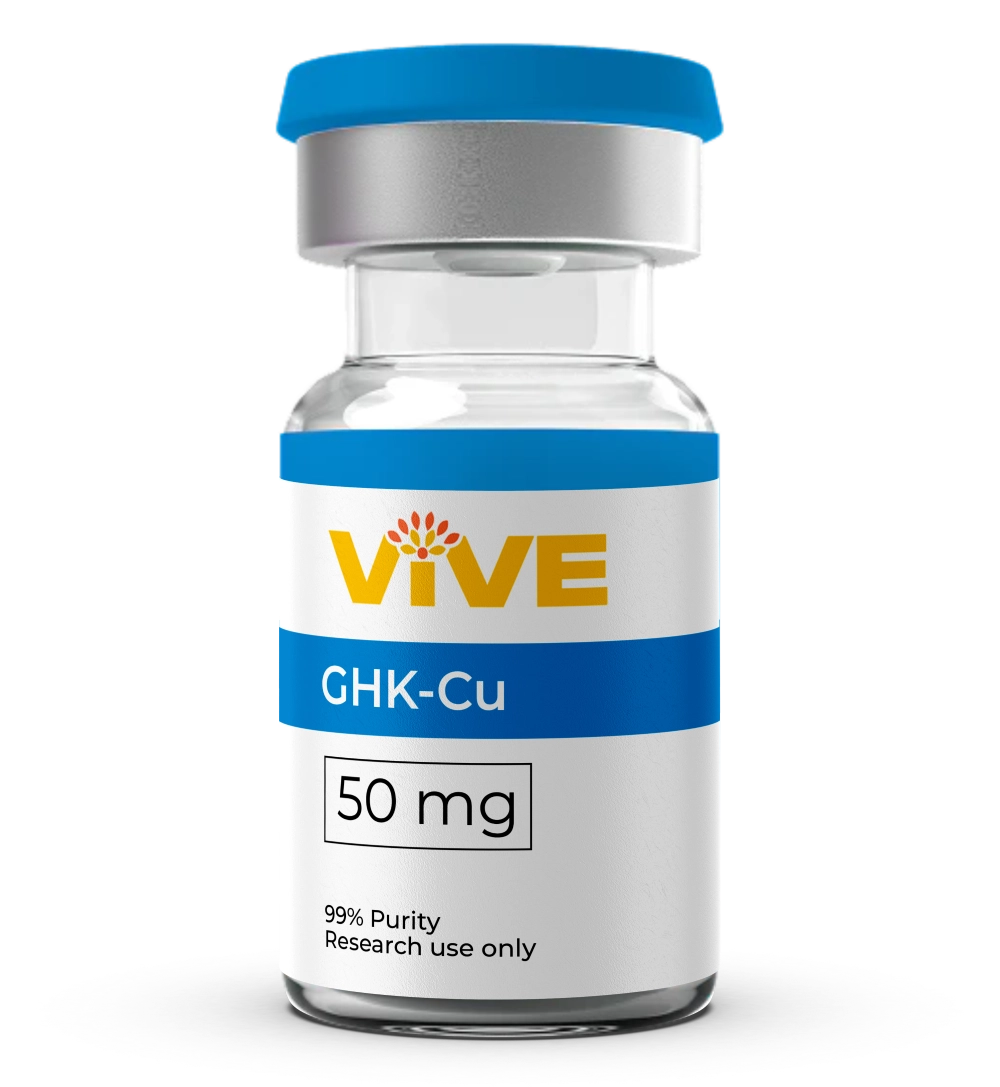
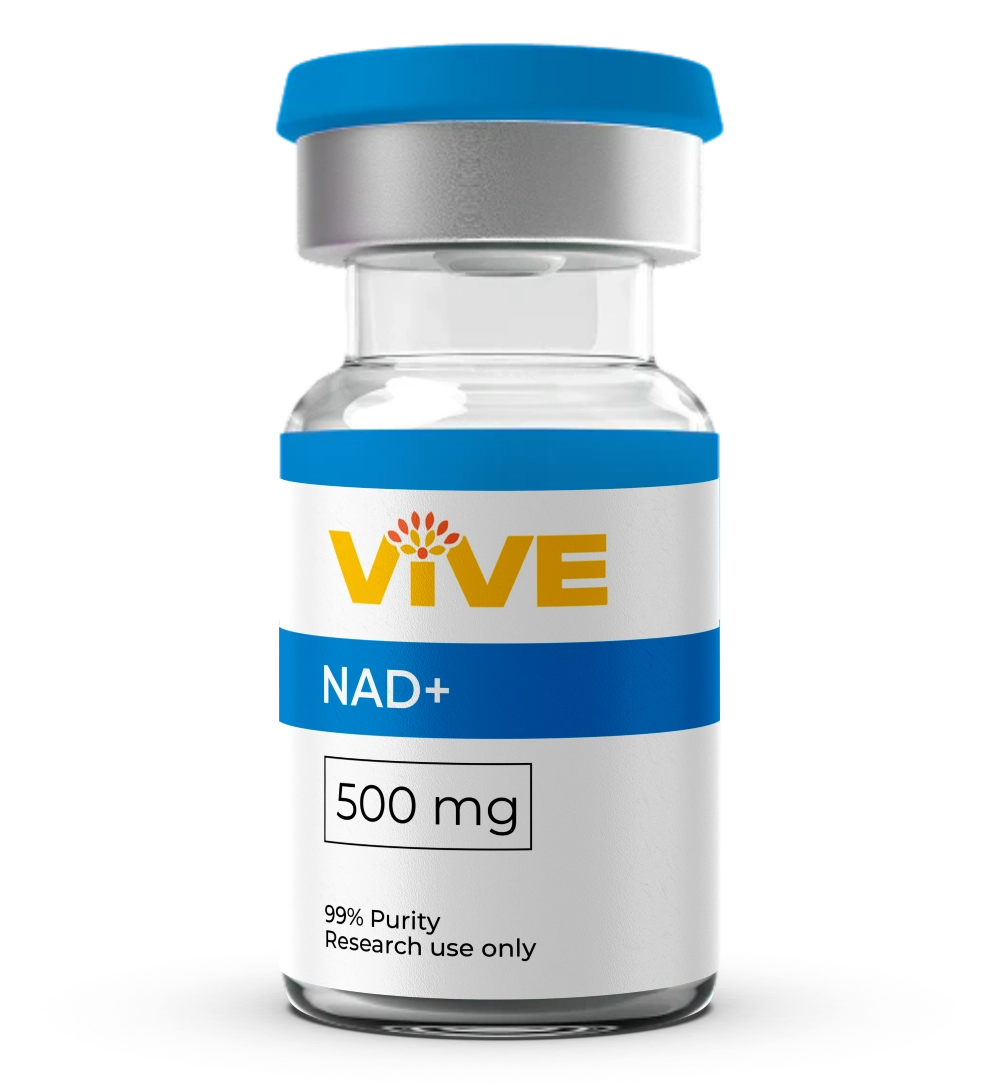
Lyophilized Peptide Vials are a research category encompassing freeze-dried peptide compounds studied for tissue-repair signaling, copper-dependent matrix remodeling, and redox cofactor pathways, including BPC-157, TB-500, GHK-Cu, and NAD+. The freeze-dried format preserves peptide structure for storage and is reconstituted with bacteriostatic water for laboratory research use only.
Reviewed by the VivePeptides Research DeskLast reviewed
Research Catalog
Compounds in this collection
Research Overview
The Lyophilized Peptide Vial Research Category
This category encompasses peptide and peptide-adjacent research compounds supplied in freeze-dried, lyophilized vial form rather than pre-mixed solution. Lyophilization removes water content through sublimation under vacuum, a process that stabilizes peptide bonds and reduces degradation pathways that occur in aqueous solution at room temperature or under freeze-thaw cycling.
This format is an active area of methodological interest in peptide research because storage stability directly affects reproducibility across study timelines. The collection spans several mechanism classes: BPC-157 and TB-500 are studied as synthetic peptide fragments implicated in tissue-repair and cytoskeletal signaling pathways, GHK-Cu is a copper-binding tripeptide investigated in models of matrix remodeling, and NAD+ is a redox-active dinucleotide coenzyme relevant to sirtuin-linked metabolic pathways.
Bacteriostatic water is included as the companion diluent used to reconstitute these vials under sterile laboratory technique. VivePeptides sources and packages each vial with documentation supporting identity and purity verification for research applications.
Five Compounds, Distinct Mechanisms
This collection groups five compounds by lyophilized presentation rather than shared biological target, spanning peptide fragment, copper-peptide, and coenzyme mechanism classes.
Purity and Documentation Standards
Each lyophilized vial is manufactured with batch-specific identity and purity documentation available for researcher verification prior to reconstitution.
Reconstitution and Storage Handling
Lyophilized vials remain stable under refrigerated or frozen storage prior to mixing and require bacteriostatic water plus sterile technique upon reconstitution.
Compound Comparison
How these compounds compare
| Compound | Mechanism Class | Research Focus | Distinguishing Feature |
|---|---|---|---|
| BPC-157 | Synthetic peptide fragment (pentadecapeptide) | Angiogenesis and tissue-repair signaling models | Linear fragment, stable lyophilized shelf life |
| TB-500 | Synthetic thymosin beta-4 fragment | Actin-regulatory and cytoskeletal signaling studies | Studied for cell migration pathway modulation |
| GHK-Cu | Copper-binding tripeptide complex | Extracellular matrix remodeling and gene expression | Blue-tinted solution from copper chelation |
| BAC Water | Antimicrobial diluent, not a peptide | Reconstitution medium for lyophilized vials | Contains benzyl alcohol as preservative |
| NAD+ | Redox-active dinucleotide coenzyme | Mitochondrial and sirtuin pathway substrate studies | More oxidation-prone, shorter reconstituted stability window |
Mechanism & Research Context
Mechanism Classes and Research Design Considerations
What distinguishes this collection is that its compounds act through structurally unrelated mechanism classes rather than a shared pharmacological target, which makes format consistency, not mechanism uniformity, the organizing principle. Preclinical literature has examined BPC-157 and TB-500 for roles in angiogenesis and actin-regulatory signaling in cell and animal models, GHK-Cu for its copper-chelating activity in extracellular matrix and gene-expression studies, and NAD+ for its function as an electron carrier in mitochondrial and sirtuin-dependent enzymatic reactions.
Researchers selecting between lyophilized formats typically weigh molecular stability: smaller fragment peptides such as BPC-157 tolerate longer dry storage than larger or more oxidation-prone molecules like NAD+, which is comparatively labile once reconstituted. Study design considerations include reconstitution volume, buffer compatibility, and cold-chain handling after mixing with bacteriostatic water, since dissolved peptide and coenzyme solutions generally require refrigeration and have shorter usable windows than the sealed lyophilized vial.
Research FAQ
Frequently asked questions
What does lyophilized mean for a peptide vial?
How should lyophilized peptide vials be stored?
What is bacteriostatic water used for with lyophilized peptides?
How long do reconstituted peptides remain stable compared to lyophilized powder?
Why do researchers choose different peptides within this lyophilized category?
Does lyophilization affect peptide purity or identity?
Related Research Collections
Continue exploring
These products are sold strictly for laboratory and research use only and are not approved for human consumption, diagnosis, or therapeutic treatment. Not for human or veterinary use. These statements have not been evaluated by the Food and Drug Administration, and nothing on this page constitutes medical advice or a health claim.