
Research Collection
Antioxidant Peptides
Research compounds studied in the context of redox balance, reactive oxygen species, and cellular antioxidant defense systems.
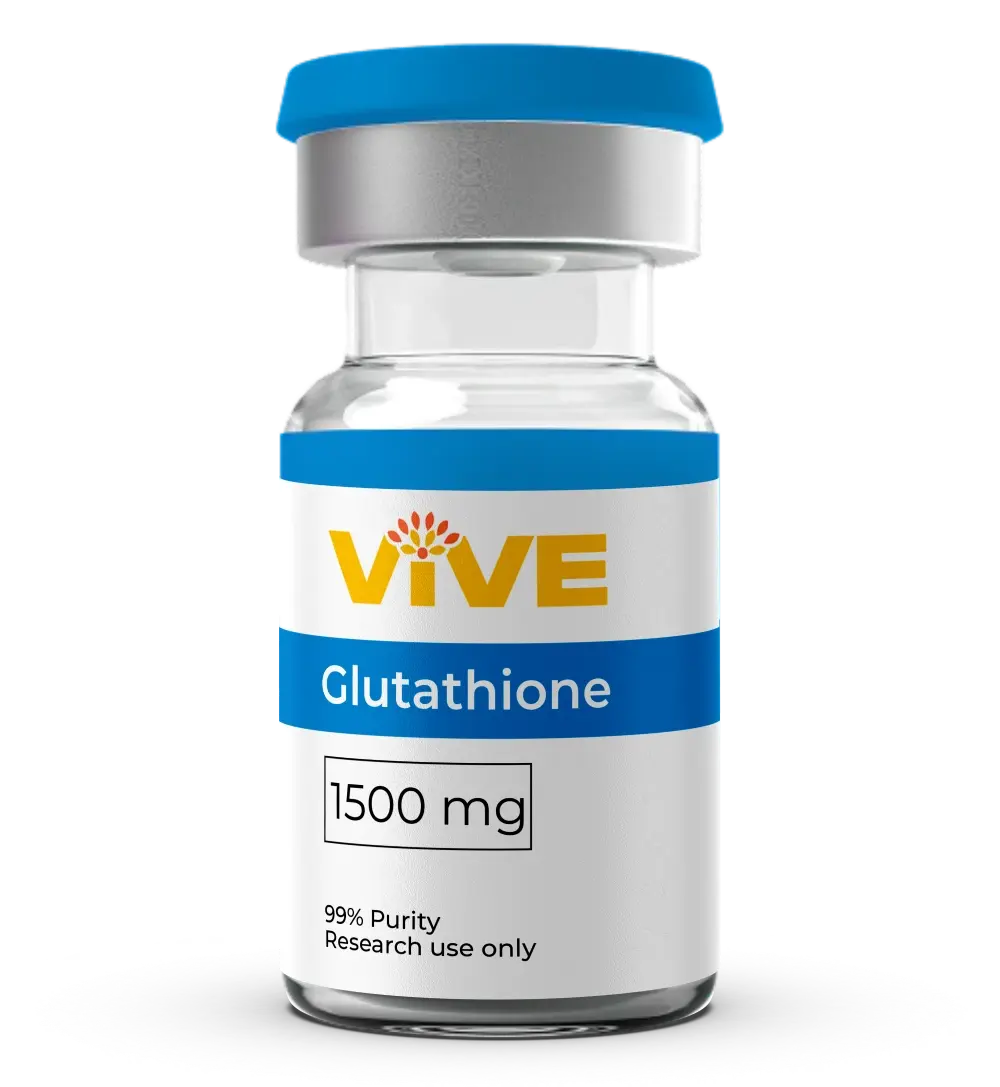
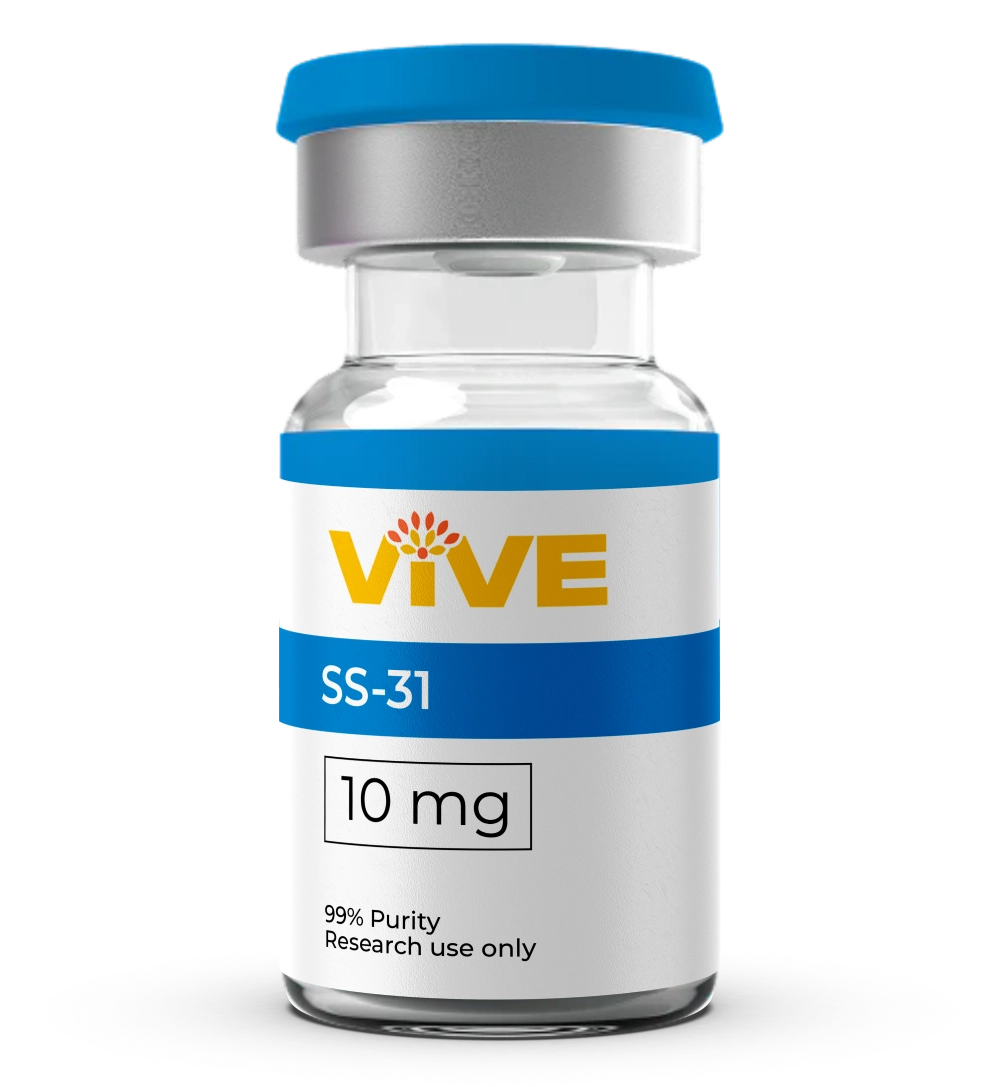
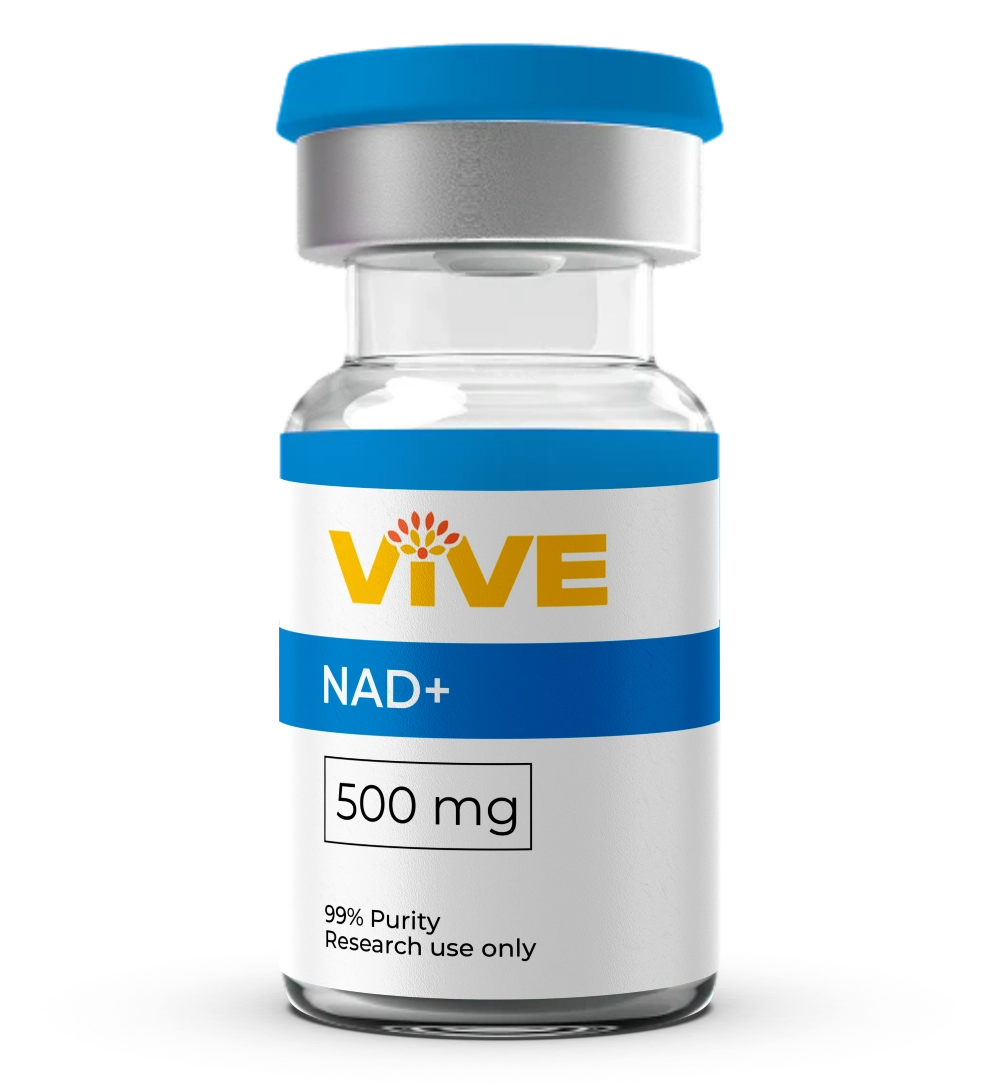
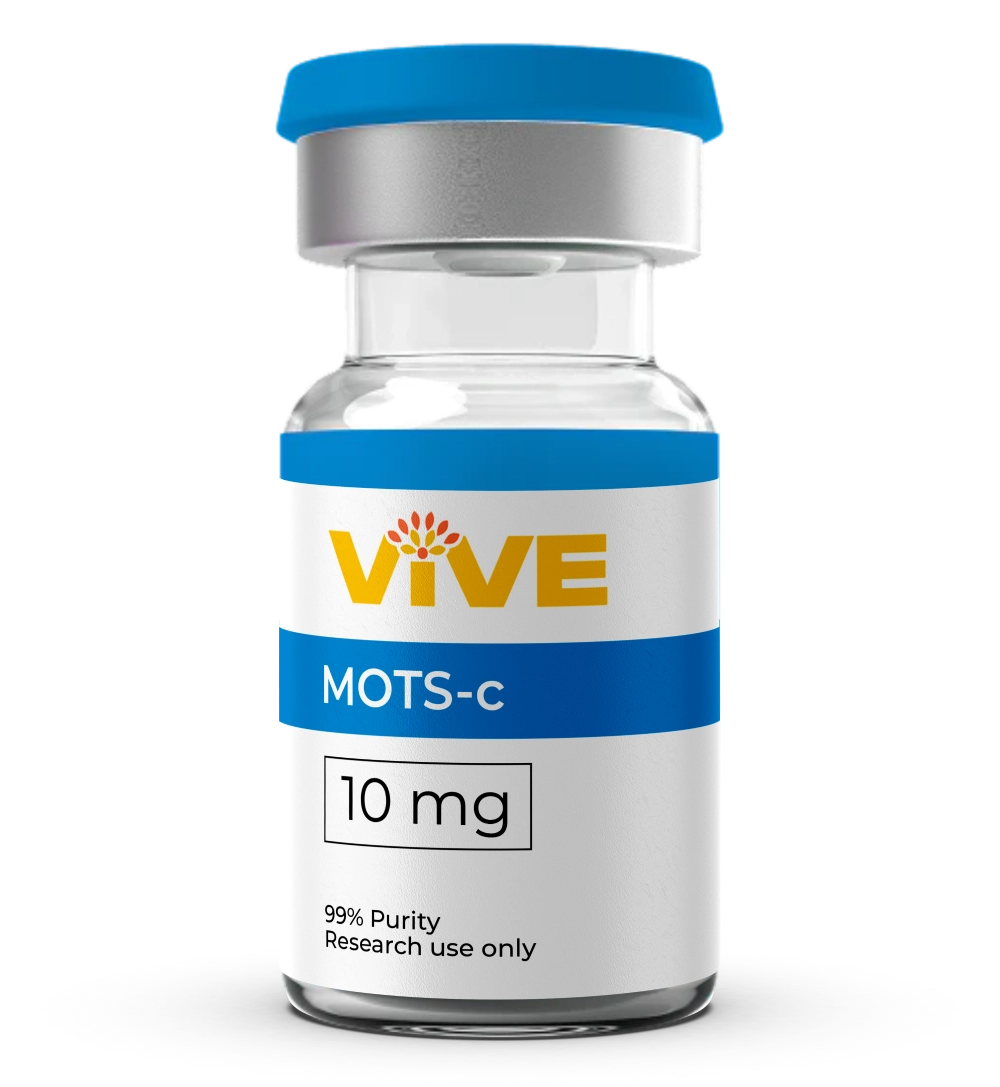
Antioxidant Peptides are research compounds studied for their roles in mitigating oxidative stress and modulating cellular redox balance. This category spans direct free radical scavengers, mitochondria-targeted stabilizers, and redox cofactor systems, including glutathione, SS-31, NAD+, and MOTS-c. All compounds are offered strictly for laboratory research use, not for human or animal consumption.
Reviewed by the VivePeptides Research DeskLast reviewed
Research Catalog
Compounds in this collection
Research Overview
Antioxidant Peptides: Redox Biology Research Compounds
The Antioxidant Peptides collection encompasses research compounds selected for their documented roles in redox chemistry and oxidative stress models. Oxidative stress, the imbalance between reactive oxygen species production and antioxidant defense capacity, is implicated across a wide range of preclinical disease models, making this an active area of laboratory investigation.
This collection represents several distinct mechanism classes rather than a single pathway: glutathione functions as a direct-acting thiol antioxidant and enzymatic cofactor, SS-31 is a mitochondria-targeted peptide that interacts with inner membrane phospholipids, NAD+ serves as a redox cofactor central to electron transport and enzymatic signaling, and MOTS-c is a mitochondrial-derived peptide implicated in nuclear stress response signaling. VivePeptides sources each compound with batch-specific documentation and third-party purity verification, supporting reproducibility for researchers designing oxidative stress or mitochondrial function studies.
All items are intended strictly for in vitro or non-human research applications.
Four Distinct Redox Mechanism Classes
Glutathione, SS-31, NAD+, and MOTS-c each intervene at a different point in the oxidative stress cascade, from direct radical scavenging to mitochondrial membrane stabilization and nuclear signaling. This allows researchers to select a compound matched to the specific redox pathway under study.
Verified Purity and Documentation
Each compound in this collection is accompanied by a certificate of analysis confirming purity and identity. Batch-specific documentation supports reproducibility across oxidative stress and mitochondrial function assays.
Storage and Reconstitution Considerations
Redox-active compounds such as glutathione and NAD+ are sensitive to oxidation once reconstituted and require careful storage protocols. Researchers should account for stability windows when designing multi-day or repeated-dose in vitro protocols.
Compound Comparison
How these compounds compare
| Compound | Mechanism Class | Research Focus | Distinguishing Feature |
|---|---|---|---|
| Glutathione | Direct-acting thiol antioxidant | Cellular redox buffering, detoxification pathways | Endogenous tripeptide, enzymatic cofactor role |
| SS-31 | Mitochondria-targeted membrane stabilizer | Cardiolipin binding, cristae structure | Selective mitochondrial membrane localization |
| NAD+ | Redox cofactor, electron carrier | Electron transport, sirtuin/PARP activity | Central redox and DNA-repair cofactor |
| MOTS-c | Mitochondrial-derived signaling peptide | Nuclear stress-response gene regulation | Mitochondrial genome-encoded, retrograde signaling |
Mechanism & Research Context
Mechanism Classes and Study Design Considerations
What distinguishes this collection is the point of intervention each compound targets within the redox cascade, ranging from direct radical scavenging to upstream mitochondrial signaling. Preclinical literature has examined glutathione depletion as a marker and driver of oxidative injury across cell culture and animal models, with glutathione peroxidase and glutathione-S-transferase activity serving as common readouts. SS-31 research has focused on cardiolipin binding and its downstream effect on electron transport chain efficiency and mitochondrial-derived ROS output.
NAD+ studies typically examine redox cofactor depletion alongside sirtuin and PARP enzyme activity in models of oxidative stress and DNA damage repair. MOTS-c investigations center on its translocation to the nucleus under stress conditions and its role in transcriptional stress response. Researchers generally select compounds based on whether the target pathway is cytosolic, mitochondrial membrane-associated, or nuclear-signaling in nature.
Study design should account for solubility, reconstitution stability, and storage conditions specific to each peptide class.
Research FAQ
Frequently asked questions
What are antioxidant peptides used for in research?
What is the difference between glutathione and SS-31 in redox research?
How does NAD+ relate to oxidative stress research?
What makes MOTS-c relevant to oxidative stress models?
How should researchers select among antioxidant peptides for a study?
What purity and handling standards apply to antioxidant peptides from VivePeptides?
Related Research Collections
Continue exploring
These products are sold strictly for laboratory and research use only and are not approved for human consumption, diagnosis, or therapeutic treatment. Not for human or veterinary use. These statements have not been evaluated by the Food and Drug Administration, and nothing on this page constitutes medical advice or a health claim.