
Research Collection
Copper Peptides
Copper-binding research peptides studied for extracellular-matrix remodeling, collagen signaling, and tissue-repair pathways.
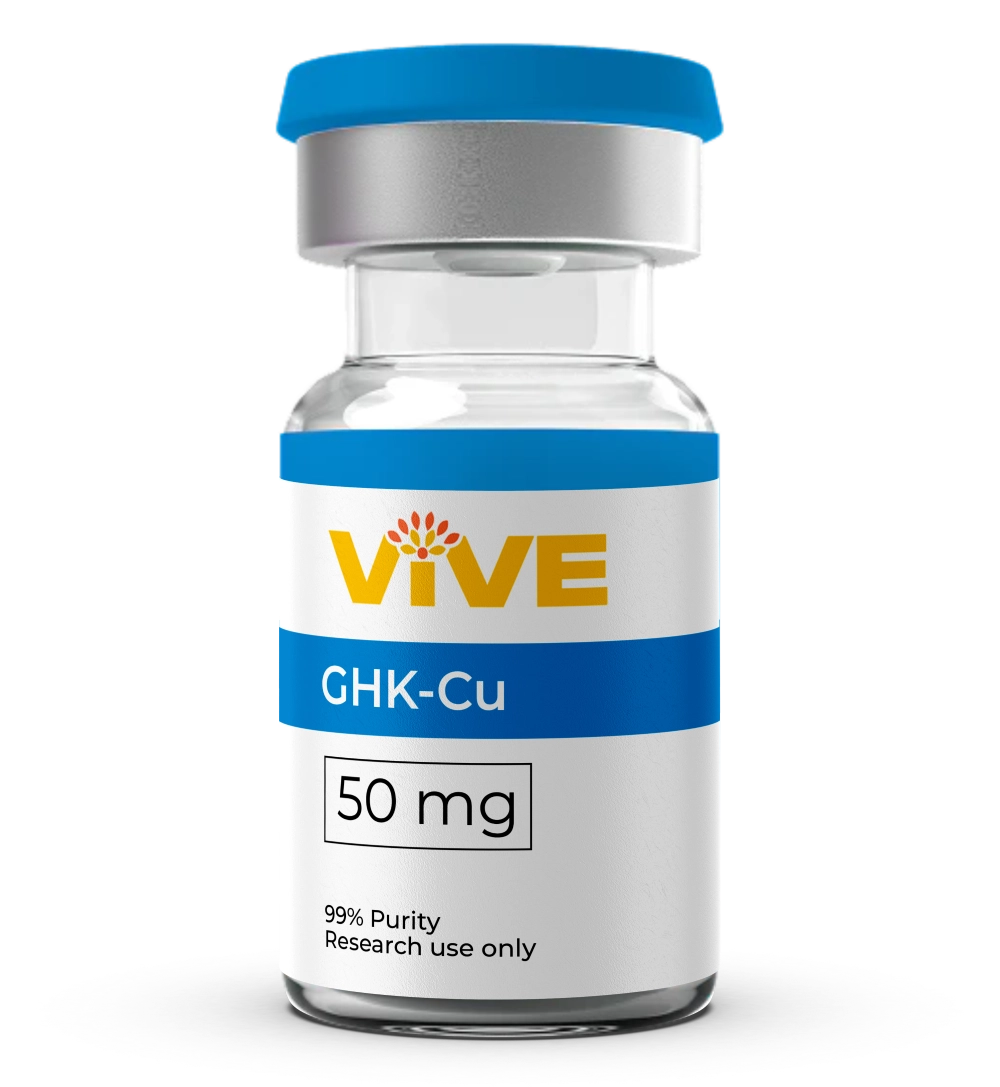
Copper Peptides are research compounds studied for their capacity to coordinate copper(II) ions through defined peptide sequences, a property most closely associated with the tripeptide GHK-Cu. This collection features single-compound copper chelators alongside multi-compound formulations that pair copper-binding chemistry with tissue-repair fragment classes, supplied strictly for laboratory research use.
Reviewed by the VivePeptides Research DeskLast reviewed
Research Catalog
Compounds in this collection
Research Overview
Copper-Binding Peptides: A Research Category Overview
This research category encompasses copper-binding peptides, compounds whose defining structural feature is a high-affinity site for coordinating copper(II) ions. Copper coordination chemistry has become an active area of peptide science because copper ions participate in enzymatic and structural processes studied across cell biology, materials science, and extracellular matrix research.
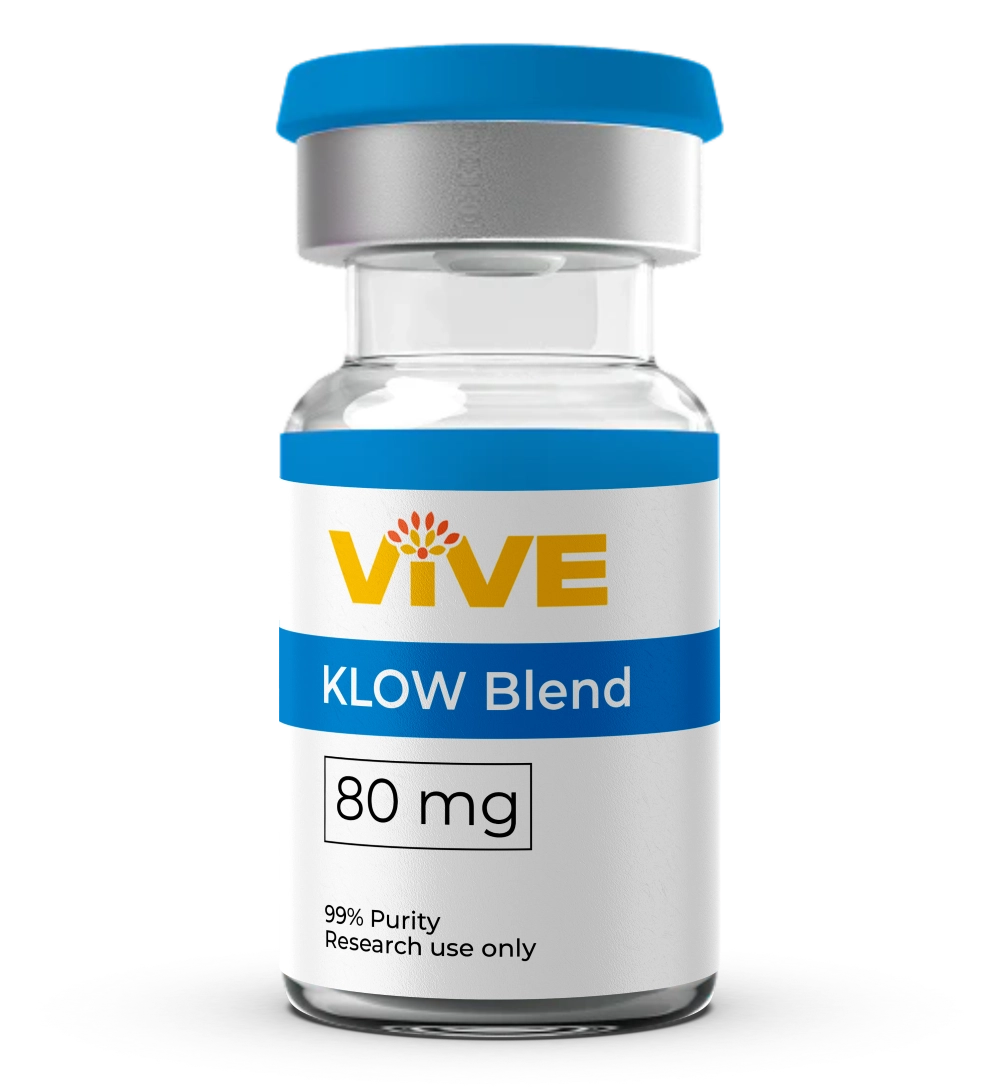
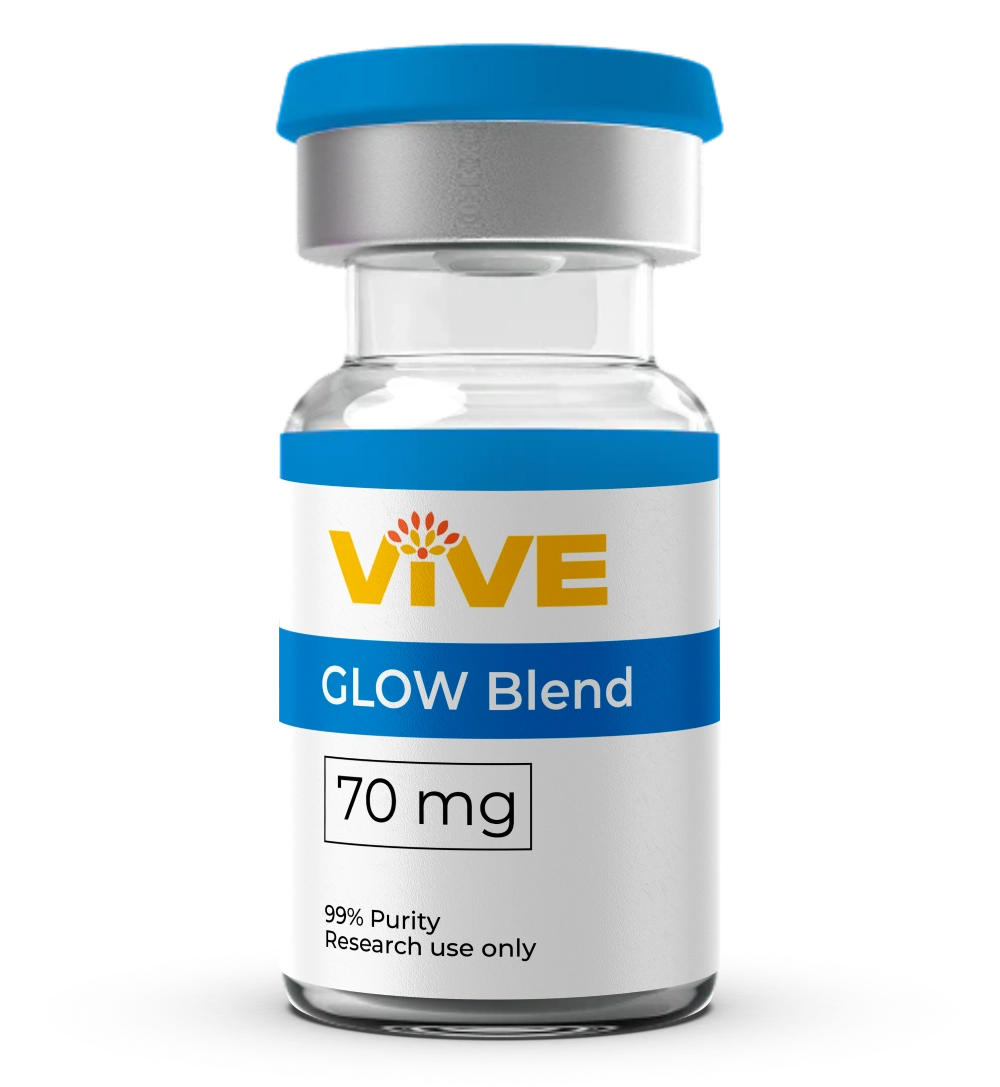
The collection represents two mechanism classes: the copper-chelating tripeptide class, exemplified by GHK-Cu, and combination blends that pair copper-binding chemistry with tissue-repair fragment peptides. KLOW Blend and Glow Blend - BPC/TB/GHK both fall into this second category, combining GHK-Cu with peptide fragments from the BPC and TB fragment classes studied in tissue-remodeling models.
VivePeptides sources each compound with third-party purity verification and full documentation, positioning this collection for researchers who require batch-level analytical certainty when designing copper-coordination or peptide-fragment comparison studies.
Distinct Copper-Binding Mechanism Classes
GHK-Cu represents a single-compound copper chelator, while KLOW Blend and Glow Blend - BPC/TB/GHK combine copper coordination chemistry with separate peptide fragment classes.
Purity and Batch Documentation
Each compound ships with third-party purity verification so researchers can document copper(II) coordination behavior against a known analytical baseline.
Chelation Stability and Handling
Copper(II) complexes are sensitive to pH, light, and oxidation state, so reconstitution and storage conditions should be recorded as variables in any protocol.
Compound Comparison
How these compounds compare
| Compound | Mechanism Class | Research Focus | Distinguishing Feature |
|---|---|---|---|
| GHK-Cu | Copper-binding tripeptide (copper(II) chelator) | Extracellular matrix and collagen pathway research | Single-compound, defined copper coordination site |
| KLOW Blend | Copper-binding peptide plus fragment-class blend | Combined copper and tissue-repair fragment research | Multi-peptide formulation for comparative studies |
| Glow Blend - BPC/TB/GHK | Copper-binding peptide plus BPC/TB fragment classes | Cross-class extracellular matrix and repair signaling research | Widest mechanism-class range in the collection |
Mechanism & Research Context
Copper Coordination Chemistry and Research Applications
The mechanism classes in this collection are distinguished by what each peptide targets: direct copper(II) coordination versus fragment-based signaling pathways studied in tissue models. GHK-Cu's copper-binding tripeptide structure has been examined in preclinical literature for its role in extracellular matrix remodeling, collagen synthesis pathways, and copper-dependent enzymatic activity.
Blended formulations like KLOW Blend and Glow Blend - BPC/TB/GHK combine this copper chelation chemistry with peptide fragments from the BPC and TB classes, which researchers have investigated separately for tissue-repair signaling. Researchers selecting between these compounds typically weigh single-mechanism clarity against the combinatorial research value of multi-compound formulations, since combined vials complicate isolation of a single variable in controlled study design.
Copper peptides require attention to chelation stability: copper(II) coordination can be sensitive to pH, oxidation state, and reconstitution solvent, all of which merit documentation in any research protocol.
Research FAQ
Frequently asked questions
What are copper peptides in a research context?
What distinguishes GHK-Cu from the combined formulations on this page?
Why is copper coordination significant in peptide research?
How do researchers choose between GHK-Cu and a multi-peptide blend like KLOW?
What does BPC/TB/GHK mean in the Glow Blend name?
How should copper peptides be handled in laboratory storage?
Related Research Collections
Continue exploring
These products are sold strictly for laboratory and research use only and are not approved for human consumption, diagnosis, or therapeutic treatment. Not for human or veterinary use. These statements have not been evaluated by the Food and Drug Administration, and nothing on this page constitutes medical advice or a health claim.