
Research Collection
Peptide Stacks
Combinations of research peptides studied together in preclinical models, from repair-focused pairings to growth-axis protocols.
Peptide Stacks are research compounds studied for combined-pathway investigation, where two or more individually characterized peptides are examined together within a single study design rather than administered as a pre-mixed single-mechanism product. This category spans tissue-repair pairings, copper-peptide and anti-inflammatory combinations, and growth hormone axis protocols. All compounds are supplied for laboratory research use only.
Reviewed by the VivePeptides Research DeskLast reviewed
Research Catalog
Compounds in this collection
Research Overview
What Are Research Peptide Stacks
Peptide stacks encompass pre-combined, multi-compound research preparations in which individually characterized peptides are packaged together for combined-pathway study designs. Peptide stacking has become an active area of preclinical interest because single-mechanism compounds rarely capture the convergent signaling researchers observe in tissue and endocrine models, so pairing complementary mechanism classes within one preparation reduces sourcing and reconstitution variability across a study.
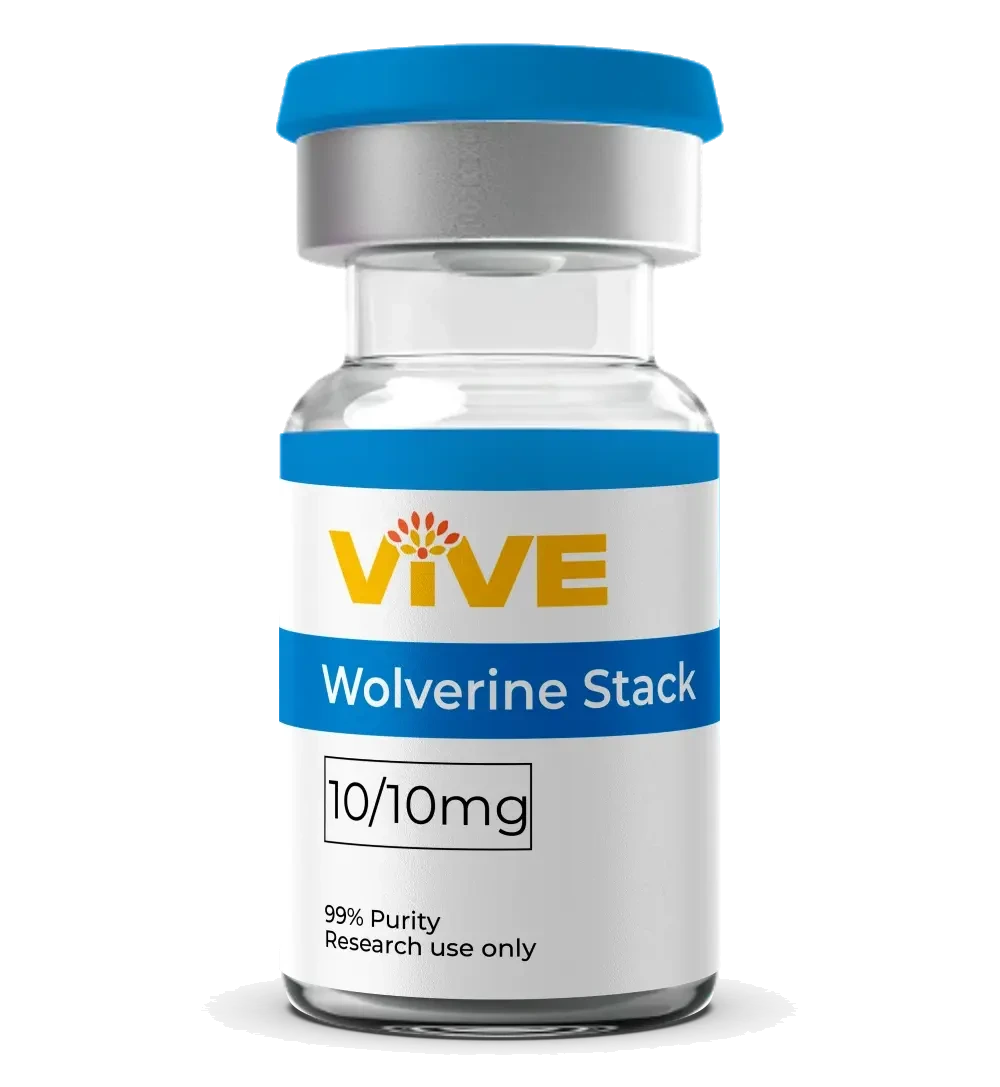
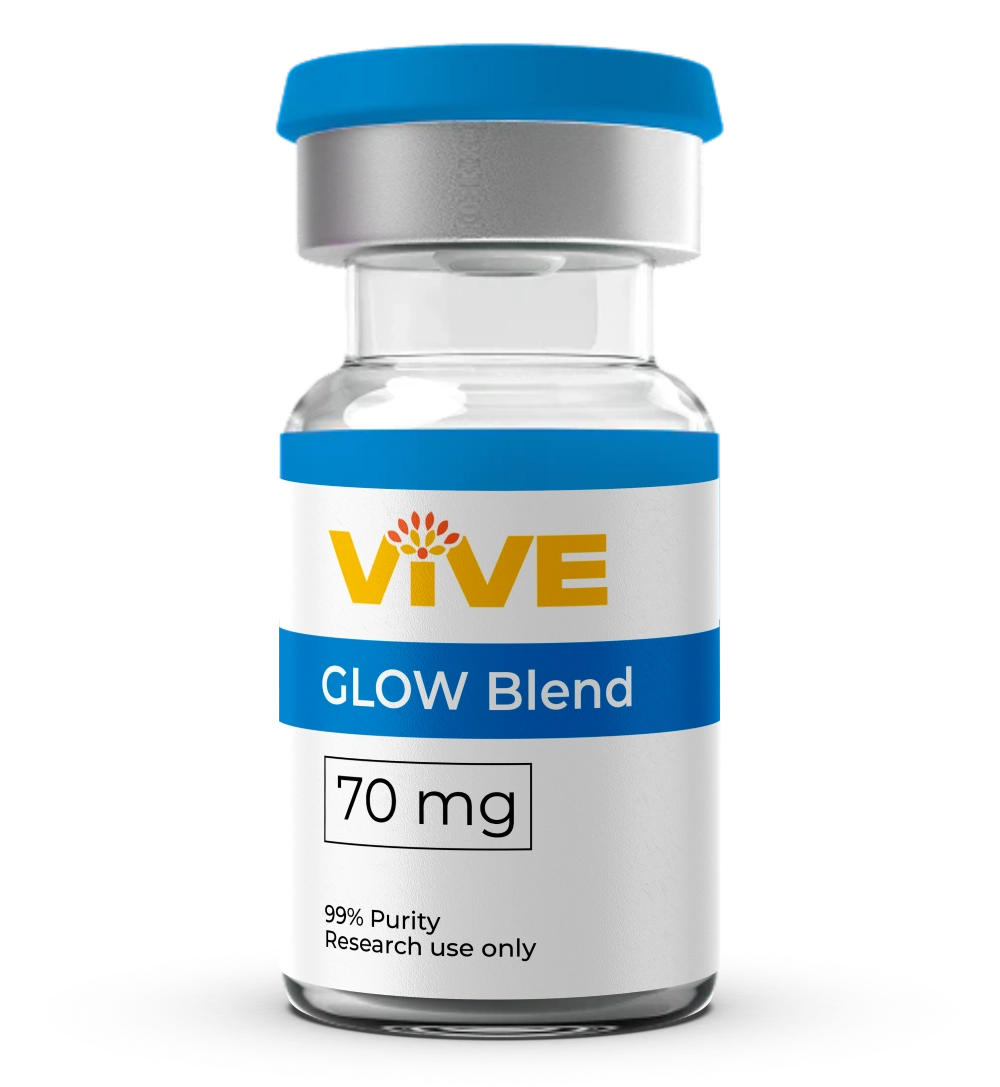
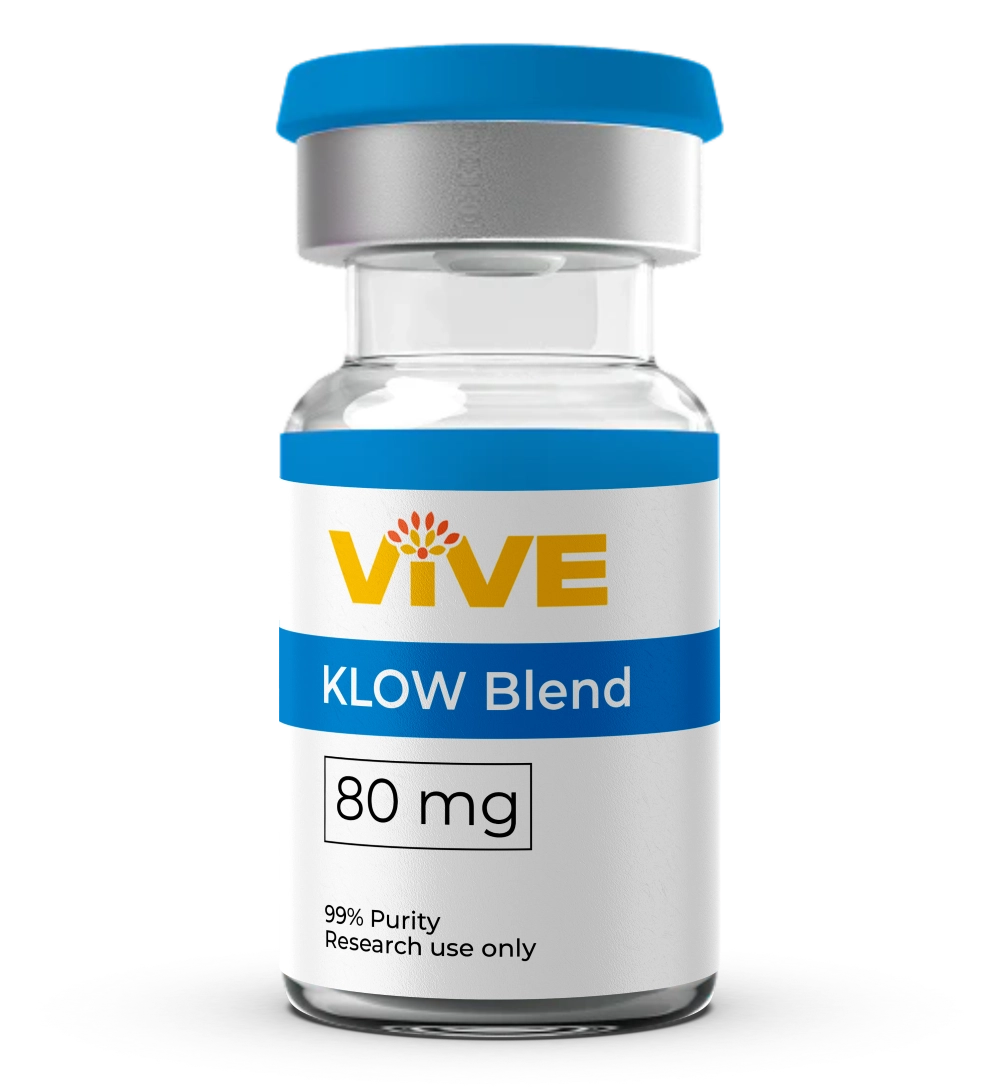
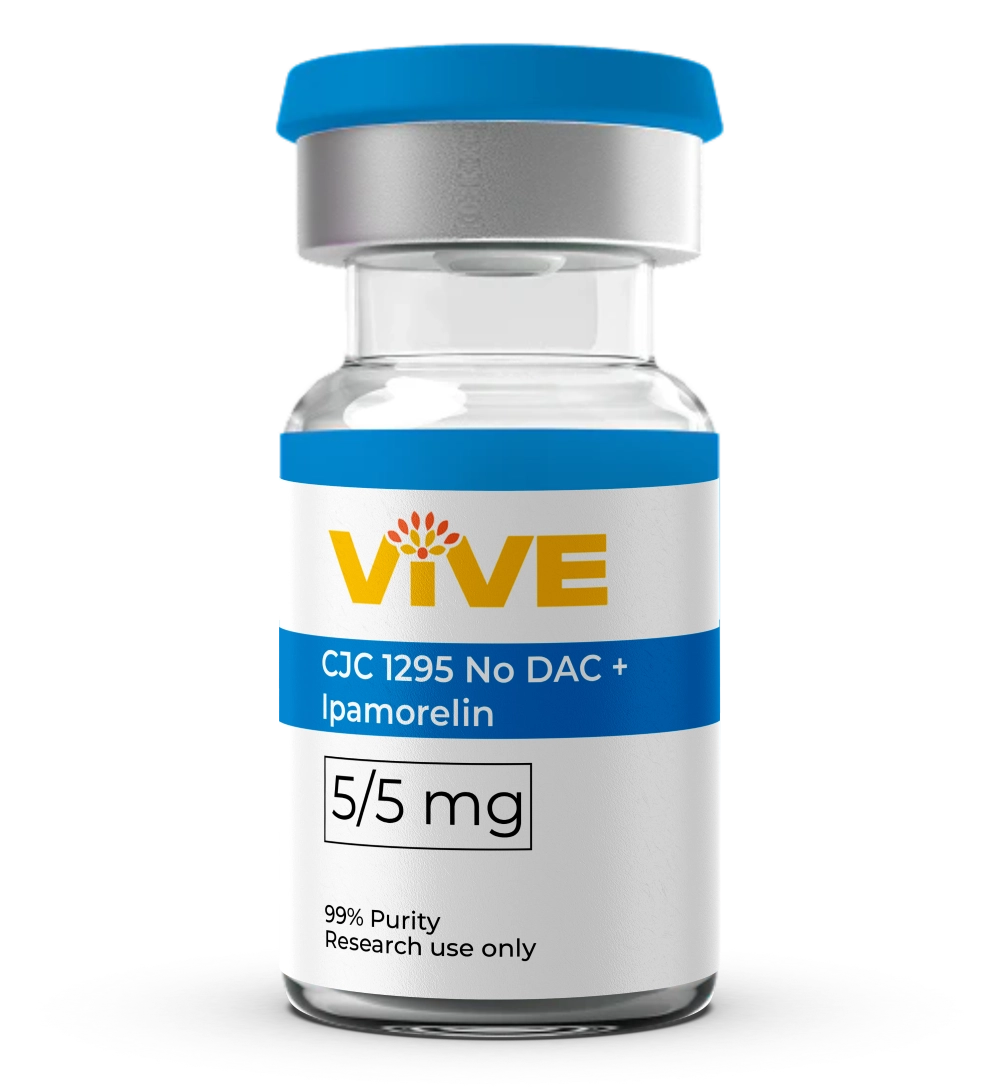
This collection represents three mechanism classes: tissue-repair and angiogenic signaling (BPC-157 and TB-500, the basis of the Wolverine Stack), copper-peptide matrix remodeling combined with anti-inflammatory tripeptide signaling (GHK-Cu and KPV, layered into the Glow Blend and KLOW Blend), and dual-pathway growth hormone axis stimulation (the CJC 1295 No DAC and Ipamorelin Blend, pairing a GHRH analog with a ghrelin receptor agonist). VivePeptides sources each stack component under documented purity standards, supporting reproducible multi-compound protocols for laboratory research.
Multiple Mechanism Classes, One Preparation
Each stack combines compounds from distinct classes, tissue repair, matrix remodeling, or growth hormone axis signaling, so a single preparation can address more than one pathway in a study design.
Component-Level Purity Documentation
Every peptide within a stack is manufactured and verified individually before combination, with lot-specific certificates of analysis available for each component.
Stack Selection by Study Design
Researchers choose a stack based on which mechanism classes their model requires, whether repair-pathway convergence, anti-inflammatory input, or dual-receptor growth hormone stimulation.
Compound Comparison
How these compounds compare
| Compound | Mechanism Class | Research Focus | Distinguishing Feature |
|---|---|---|---|
| Wolverine Stack | Cytoprotective and actin-binding repair peptides | Tissue repair and angiogenesis signaling | Two-compound pairing: BPC-157 and TB-500 |
| Glow Blend (BPC/TB/GHK) | Repair peptides plus copper-binding tripeptide | Tissue repair and matrix remodeling | Adds GHK-Cu to the Wolverine pairing |
| KLOW Blend | Repair, matrix, and anti-inflammatory peptides | Repair signaling with inflammatory modulation | Adds KPV to the Glow Blend formulation |
| CJC 1295 No DAC + Ipamorelin Blend | GHRH analog and ghrelin receptor agonist | Dual-pathway growth hormone secretion | Two-receptor GH axis stimulation |
Mechanism & Research Context
Mechanism Classes and Study Design Considerations
What distinguishes the mechanism classes in this collection is where each stack intervenes: tissue-level repair signaling, extracellular matrix and inflammatory modulation, or pituitary-level growth hormone release. The Wolverine Stack pairs BPC-157, examined in preclinical literature for VEGF-linked angiogenesis and cytoprotective activity, with TB-500, a thymosin beta-4 fragment investigated for actin-binding and cell-migration effects, giving researchers two complementary repair-pathway inputs in one preparation.
The Glow Blend adds GHK-Cu, a copper-binding tripeptide studied for matrix metalloproteinase regulation and collagen-synthesis signaling, to that same repair pairing. KLOW Blend extends the Glow Blend formulation with KPV, a melanocortin-related tripeptide examined for anti-inflammatory signaling, for study designs where inflammatory modulation is a relevant variable alongside repair.
The CJC 1295 No DAC and Ipamorelin Blend targets a separate axis, combining a GHRH analog with a selective ghrelin receptor agonist to interrogate growth hormone secretion through two receptor pathways. Researchers select a stack based on which pathways their model requires and note reconstitution order and cold-chain handling across multi-compound preparations.
Research FAQ
Frequently asked questions
What is a peptide stack in research peptide terminology?
What compounds make up the Wolverine Stack?
How does KLOW Blend differ from Glow Blend (BPC/TB/GHK)?
Why is CJC 1295 No DAC studied together with Ipamorelin rather than alone?
What should researchers consider when reconstituting a multi-compound peptide stack?
How do researchers decide which peptide stack fits their study design?
Related Research Collections
Continue exploring
These products are sold strictly for laboratory and research use only and are not approved for human consumption, diagnosis, or therapeutic treatment. Not for human or veterinary use. These statements have not been evaluated by the Food and Drug Administration, and nothing on this page constitutes medical advice or a health claim.